Choosing a Bit and Bridle: Getting the Perfect Fit
Reading time: 8 minutes
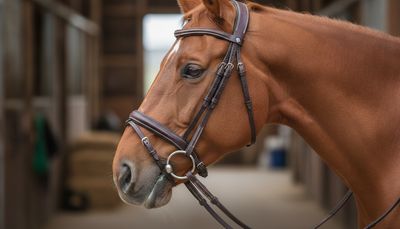
Choosing the right bridle and bit decides whether you communicate harmoniously with your horse or unknowingly cause pain. A 2022 study by the German Equestrian Federation (FN) shows that more than 60 percent of all bridles are not fitted correctly. The consequences range from rideability problems to lasting damage in the mouth area. If you decide on a quality horse, you shouldn't compromise on tack either.
Precise bit fitting is not just a matter of comfort but a basic requirement for healthy riding. Much like deciding between an open stable and a box stall, you have to respond to your horse's individual needs here too.
Bit fitting basics: measuring correctly
The best way to measure bit width is with a flexible tape measure or a special bit gauge. Lay the tape from the left to the right corner of the mouth and add 1/4 to 1/2 inch (0.5 to 1 centimeter). A bit that is too narrow pinches the lips, while a mouthpiece that is too wide slides back and forth and irritates the bars. Common sizes range from 4.5 to 5.75 inches (11.5 to 14.5 centimeters), with warmbloods usually needing 5.25 or 5.5 inches (13.5 or 14 centimeters).
Bit thickness plays an equally important role. Contrary to popular belief, a thicker bit is not automatically gentler. Horses with little room between the palate and tongue need thinner models between 14 and 16 millimeters. With a flat palate, you can go for 18 to 20 millimeters in diameter. Saddler Tom Miller of Miller Equestrian recommends having tongue height and palate shape assessed by a vet.
Choosing the mouthpiece: comparing materials
Stainless steel is considered the classic among bit materials and impresses with durability and neutral properties. Copper and Aurigan stimulate salivation and are often better accepted by picky horses. The material Sensogan was developed by Sprenger in 2016 and is nickel-free, which helps prevent allergies. Plastic bits suit sensitive mouths but wear out faster.
The choice of material strongly influences acceptance. A 2021 study at the University of Göttingen documented that horses with copper bits showed 23 percent more chewing activity than with plain stainless steel. This increased chewing helps relax the chewing muscles and improves the connection.
Bit types and their specific uses
The snaffle (known in Germany as the Wassertrense) is among the most widely used bits in equestrian sports. It consists of a single- or double-jointed mouthpiece with two rings. The action is spread across the tongue, bars and corners of the mouth. The double-jointed version with a center link in particular avoids the nutcracker effect that can occur with single-jointed bits.
The double bridle (curb bridle) is traditionally used in upper-level dressage and requires experienced hands. The combination of a bridoon (small snaffle) and a curb with leverage allows the finest signals but can do considerable harm if mishandled. The FN recommends using the curb only from Class L (roughly the medium levels) and after solid training. The leverage multiplies the action by two to three times.
Bitless bridles as alternative tack
The hackamore applies pressure to the nose, chin and poll and suits horses with mouth problems or during the teething phase. The cross-under works through crossed straps under the jaw and is regarded as a particularly gentle bitless option. The Glücksrad combines a noseband plate and a curb chain and is used mainly in Western riding.
Correct adjustment is important. The hackamore should sit two fingers' width below the cheekbone, while the chin padding lies loosely without rein pressure. With incorrect adjustment, pressure sores develop or breathing is impaired. Professional guidance is advisable, especially for the first use, much like you should rely on expertise with a blood test when buying a horse.
Buying a bridle: recognizing quality features
High-quality bridles are distinguished by soft, supple leather that smells pleasant and shows no cracks. Stitching should be even and double, while the hardware is made of rustproof material. Brands like Passier, Stübben or Schockemöhle have stood for first-class craftsmanship for decades.
When buying a bridle, it pays to reach for premium quality. A 2020 study by the Institute for Equine Science in Nürtingen showed that high-quality bridles last an average of 8.5 years, while cheap models have to be replaced after just 2.3 years. The extra cost pays for itself through longevity and a better fit.
Customizing for the best fit
Adjustable cheekpieces allow precise height adjustment of the bit. The noseband should be variable in position and tightness, with the Hanoverian noseband (a plain cavesson-style noseband) being the standard variant. The Swedish noseband is more effective at preventing the mouth from opening, while the Mexican (grackle) noseband puts less pressure on the nasal bone thanks to its crossed straps.
Browband length is often underestimated. A browband that is too short presses against the ears and causes head tossing. Measure your horse's forehead and choose a browband that leaves at least a finger's width of space from the base of the ears. Crystal-studded browbands from makers like PS of Sweden or Dy'on offer an elegant look in addition to function.
Determining bridle sizes: from pony to large horse

Ponies up to about 12.2 hands (1.30 meters) generally need pony size, while smaller Thoroughbreds and Arabians do well with cob size. Warmbloods usually wear full size, and draft horses and large sport horses reach for extra-full. These standard sizes refer to the headpiece, cheekpieces and noseband.
However, individual head shapes differ considerably. A Friesian with a broad forehead may need an extra-full browband despite wearing a full-size bridle. Arabians with delicate little heads sometimes do better with a pony noseband. Measuring precisely saves wrong purchases and the hassle of returns.
Having a bridle individually fitted to the horse's mouth
Specialized saddlers and trained bit consultants offer professional bit fitting. Directories of qualified professionals, such as the one kept by the Society of Master Saddlers, can help you find an expert. Sound advice costs between $55 and $130 but includes measuring, a fit check and a follow-up appointment.
Modern technology supports fitting. Neue Schule's MyoGap system precisely measures the distance between the palate and the base of the tongue and recommends the best bit thickness. Trust's 3D mouth scanner documents the anatomy digitally and creates a custom bit. These technologies cost between $165 and $330 but guarantee maximum accuracy of fit.
Recognizing signs of an ill-fitting bit
Head tossing, going behind the bit or constantly opening the mouth point to problems. Changes in the mucous membrane, pressure sores at the corners of the mouth or asymmetrical wear on the teeth call for an immediate check. Vet Dr. Karen Wagner of Bluegrass Equine Center recommends checking the bit every six months alongside dental work.
Changes in behavior when bridling also speak volumes. Turning the head away, throwing the head up or tongue problems signal discomfort. Test different bit options for two weeks each and document the reactions. Much like choosing a private stable with luxury amenities, care pays off in well-being and performance.
The difference between a snaffle and a double bridle explained
The snaffle acts directly without leverage and suits daily work from beginner to advanced levels. It allows direct contact with the horse's mouth and forgives minor mistakes with the hands. Pressure is distributed mainly on the tongue and bars, with the rings transmitting force evenly.
The double bridle combines two bits: the bridoon for constant contact and the curb for fine signals. Depending on length, the curb's shanks amplify the action by a factor of 2 to 3.5. The pressure is spread across the bars, tongue, chin groove and poll. This complex action requires a quiet, independent hand and years of experience.
Care and maintenance for a long life

Clean the bit with warm water and a soft brush after every ride. Food residue and salt deposits attack the material and form sharp edges. Once a week, a thorough cleaning with a special bit cleaner or mild soap is recommended. You can also polish stainless steel bits with a soft cloth.
Bridle leather needs regular care with leather grease or oil. The bend points on cheekpieces and nosebands in particular dry out quickly. High-quality products like Effol leather balm or Passier leather care keep it supple. Each time you clean, check the stitching for wear and the buckles for a secure fit.
Frequently asked questions about choosing a bit and bridle
How often should I have the bit fit checked?
A professional check is recommended every six months, but at least once a year as part of dental work. Young horses that are teething need quarterly checks, since mouth anatomy changes quickly. After a weight change of more than 110 pounds (50 kilograms), you should have the fit checked as well.
Which bit suits my horse if it has a sensitive mouth?
Horses with a sensitive mouth usually benefit from double-jointed bits with a large center link, such as Sprenger's KK Ultra or Trust's Turnado. Sensogan or copper materials promote acceptance. In severe cases, a bitless bridle such as the LG bridle system can be the best solution.
Can I use my old horse's bridle for the new one?
Only if both horses have identical head measurements, which is rarely the case. Even within the same breed, mouth width, jaw length and forehead width vary considerably. Re-measuring is essential to avoid pressure sores and rideability problems. The investment in properly fitting tack pays off in better performance.
How do I know if the bit width is correct?
With the correct width, the bit rings should each sit 1/8 to 1/4 inch (3 to 5 millimeters) from the corners of the mouth. The lips must not be pinched, but the bit also shouldn't slide back and forth. Let the horse chew with the bridle on but the noseband not yet buckled. The bit must sit quietly in the mouth.
When does it make sense to switch from a snaffle to a curb?
Using a curb requires that your horse goes on the bit in all three gaits, is supple and you have a quiet, independent hand. You should consider the switch at the earliest from the medium levels of training (Class L in German terms) and after thorough instruction from an experienced trainer. Many successful riders deliberately stay with the snaffle.
Conclusion: an investment in communication and horse health
Careful bridle and bit selection forms the foundation for harmonious communication between rider and horse. Precise bit fitting, the right material and the right size prevent pain and build trust. The investment in professional advice and high-quality tack pays off in better rideability and long-term horse health.
Take your time with the selection and don't shy away from the cost of expert advice. Your horse will thank you with relaxation and willingness to perform. Start checking your current tack today and book an appointment with a qualified saddler or bit consultant.