Horse Boarding Costs: What Does a Stall Really Cost?

Reading time: 8 minutes
A horse of your own is a dream that starts with careful planning. Horse boarding prices in the US range from around $250 a month in rural areas to well over $1,200 near big cities, but the base rent is only part of the bill. If you don't know all the extra costs before buying, you'll get nasty surprises in your monthly budget later.
The actual cost of boarding is made up of far more than the plain stall price. According to industry surveys, the total cost of keeping a horse is often 30 to 40 percent above the advertised base rent. This article shows you which regional differences exist and where hidden cost traps lurk.
Regional price ranges for boarding
In the Midwest and the South, horse owners pay an average of $400 to $700 for full board with a stall. Rural parts of the Mountain West and the Plains often offer cheaper alternatives from $300 a month. Around Los Angeles, New York or Wellington, Florida, costs quickly climb to $1,000 to $1,300, especially at centrally located barns with an indoor arena.
The difference comes down to land prices and infrastructure. A boarding barn on Long Island with a direct commuter rail connection naturally charges more than a farm in rural West Virginia. At the same time, barns near cities have to budget for higher labor costs and insurance premiums.
Regional gaps and metro areas
The Great Plains and the Upper Midwest sit in the mid-price range between $450 and $700. Texas and Oklahoma show moderate prices of $500 to $750 despite their urban areas, while the horse country around the Boston and Washington, D.C. suburbs is considerably more expensive. A boarding price comparison shows that if you search 20 miles from the city center, you often save $150 to $250 a month.
Riding facilities in the outskirts often offer better pasture and larger paddocks. The longer drive means more time, but it pays off financially. This solution can be especially attractive for recreational riders who don't visit the barn every day.
What does the base rent really include?
Most barns offer different types of boarding. Plain stall rent without feeding starts at around $300, while full board with all-round care costs considerably more. It's important to get an exact breakdown in the contract. The following services are typically part of the base rent:
- Daily mucking out and bedding of the stall or open-stable area
- Basic feeding with hay or haylage (often with a limit on quantity)
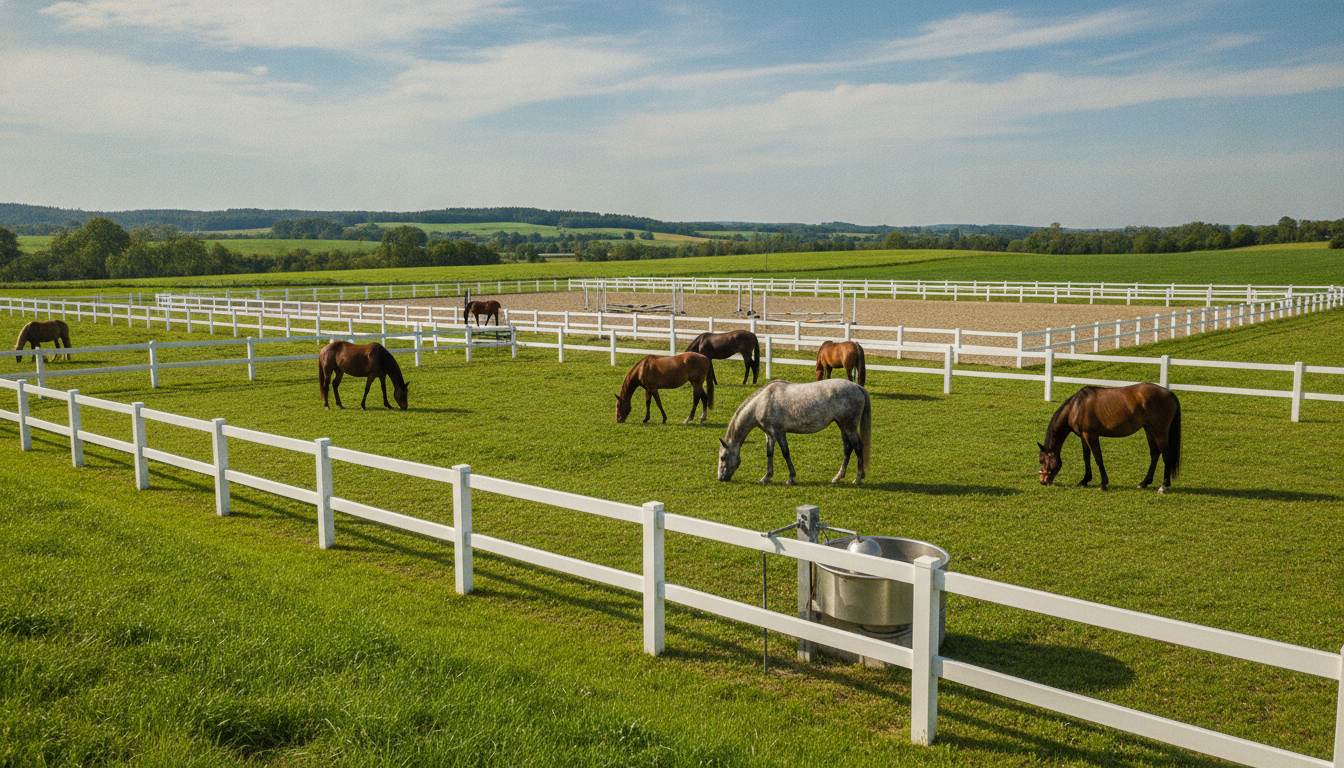
- Turnout on pasture in the summer months (duration and group size vary)
- Use of the riding facility including indoor and outdoor arenas
- Access to grooming areas and the tack room
Extra boarding costs begin where basic care ends. Some barns bill concentrate feed separately, while others offer flat prices with set rations. Transparent pricing should list all included services.
Spotting hidden extra costs in boarding
Concentrate feed is often billed by actual consumption. For a warmblood with average energy needs, $60 to $100 a month is quickly added. Premium muesli-style feeds or special feed for metabolic conditions push this item up further. You should agree on the exact dosage with the barn owner in writing.
Many barns charge extras for additional services such as daily hand-walking during stall rest, individual blanketing in winter or separate concentrate feedings outside standard times. Each service can add $35 to $70 a month. Before signing the boarding contract, go through all the optional services.
Arena use and riding surcharges
Not every facility includes unlimited arena use. Some boarding barns charge an extra $50 to $90 for regular riding in the indoor arena, especially if they offer heated premium facilities with a special footing. Riding instructors and outside trainers often bring further costs if the barn charges a trainer fee.
Check whether your horse is excluded from arena use at certain times. Private lessons, clinics or show preparation sometimes block the facility for other boarders. The decision between an open stable and a box stall also affects how flexible you are in training.
Comparing amenities and service quality by price
A modern barn with a horse walker, solarium and aqua trainer justifies higher prices than a simple facility with minimal amenities. If you value a higher standard, you'll find matching options from $1,500 upward in the category of private stables with luxury amenities.
The quality of care is often reflected in the price. Barns with a full-time rider on staff, vet on call and 24-hour camera monitoring cost more but offer greater security. For working people who can't be on site every day, this premium is worth it.
Pasture board and paddock access
Year-round pasture board lowers boarding prices considerably, since the care effort is smaller. Hardy breeds such as Icelandic horses or Haflingers cope well with this setup. Costs run between $200 and $400 a month, depending on herd size and available acreage.
Open stables with flexible paddock areas offer a middle path. Here boarders usually pay $350 to $600 with freedom of movement that suits the species. Social contact in the herd promotes the well-being of many horses and can lower vet costs in the long run.
Contract pitfalls and notice periods
Standard boarding contracts usually run for six or twelve months with a notice period of 30 to 90 days. Some barns require a security deposit of one to two months' rent. It is only refunded after the contract has been properly ended.
Watch for clauses on price adjustments. Many contracts include an annual inflation adjustment or allow increases when hay and feed costs rise. Capping such adjustments at a maximum of five percent per year protects against sudden jumps. Boarding costs can fluctuate due to outside factors such as crop failures or energy prices.
Extra costs from outside service providers
Farrier, vet and physiotherapist come on top of boarding. Shoeing every six to eight weeks costs between $120 and $250, depending on region and specialization. A barefoot trim is cheaper at $40 to $75 but may require more frequent appointments.
Routine vaccinations and deworming add up to about $250 to $450 a year. A thorough pre-purchase exam in different stages helps you avoid later surprises even before you buy. Chronic conditions can raise ongoing costs considerably.
Insurance and liability questions
Equine liability insurance is a must and costs about $100 to $200 a year. It covers damage your horse causes to third parties. Some barn owners require proof of such a policy before signing a contract. Additional surgical coverage or full coverage raises the budget further.
The barn owner is typically liable only for gross negligence, though the details depend on your boarding contract and state law. Minor injuries or illnesses fall under the owner's own responsibility. A clear provision in the contract creates legal certainty for both sides and prevents later conflicts.
Budget planning before buying a horse
Realistic boarding costs in the US, including all extras, run between $500 and $1,300 a month. If you also take riding lessons, go to shows or have special feed requirements, you should plan on $700 to $1,600. That range allows for solid financial planning without constant worry.
A reserve of at least $3,000 for unexpected vet costs is part of responsible horse ownership. Some owners put $75 to $150 a month into a separate account to cushion larger treatments. The complete overview of horse ownership costs shows all the relevant items.
Price negotiations and special terms
Long-term contracts of two years can sometimes lead to reduced prices. Some barns also offer discounts for multiple horses or for referrals of new customers. A polite request for special terms doesn't hurt, but it should take the barn's realistic operating costs into account.
With seasonal occupancy, you may be able to negotiate better terms for winter boarders. Barns with many open spots in the fall often show more flexibility. Being open about your budget and expectations makes negotiating easier.
Which extra amenities add value?

Individually lockable tack rooms, your own feed bins or special paddocks for older horses justify higher prices. Video monitoring of the stall gives many owners peace of mind and can provide important observations in case of illness. Premium features like these cost an extra $60 to $130 a month.
A barn with its own jumping field, cross-country course or lunging ring offers training variety without renting outside facilities. For ambitious show riders, this investment pays off in the long run through saved transport costs and better preparation.
Changing barns and moving costs
Changing barns causes financial strain on top of emotional stress. Transport costs run between $150 and $600 depending on distance. Settling into a new herd can temporarily mean higher feed costs or vet visits.
Plan on at least two weeks of overlap between the old and new barn in case the notice periods don't line up perfectly. Paying double rent for a transition month puts extra strain on the budget. Giving notice early and negotiating flexibly with both barn owners minimizes these costs.
FAQ: Frequently asked questions about boarding costs
What does a horse stall cost per month on average?
The average boarding cost in the US is between $400 and $900, depending on region and amenities. Rural areas offer cheaper options from $250, while living near a big city can mean prices up to $1,300.
What extra costs come on top of the base rent?
Additional costs include concentrate feed ($60-100), farrier ($120-250 every six weeks), vet, insurance and possibly arena use or special services. In total, extras can come to $150 to $400 a month.
Are there regional price differences in horse boarding?
Yes, there are significant differences. The Midwest and South charge $400-700, rural parts of the Mountain West start at $300, while the Los Angeles, New York or Wellington areas can cost $1,000-1,300.
How do I spot hidden costs in a boarding contract?
Check carefully which services are included in the base rent. Watch for separate billing for concentrate feed, blanketing service, horse walker use or arena times, as well as clauses on price adjustments.
Is a cheaper barn in the country worth it despite the longer drive?
For recreational riders who visit the barn two to three times a week, the savings of $150-250 a month can outweigh the longer drive. If you work full time, weigh up the time and gas costs.
Conclusion: calculate boarding costs realistically
Horse boarding prices are only the base of your monthly horse costs. Between regional differences, hidden extras and your horse's individual needs, the actual budget varies considerably. Thorough research before buying a horse saves you from financial bottlenecks and lets you enjoy life with your four-legged friend in peace.
Compare several barns not only by price but also by quality of care, amenities and atmosphere. A slightly more expensive barn with professional management and satisfied boarders saves trouble and extra costs from poor care in the long run. Use trial days or conversations with other boarders to get a realistic picture.
Plan your horse-keeping budget with a buffer for unexpected expenses and don't stretch beyond your means. A well-calculated stall is the foundation for many happy years with your horse, without constant money worries in the background.