Pre-Purchase Exam Levels: Which Scope Is Right?
Reading time: 9 minutes
The price for your dream horse is negotiated and the chemistry is right – but you should not sign a contract without a professional pre-purchase exam (PPE). Many first-time buyers wonder whether the basic exam is enough or whether only the full exam with X-rays offers real security. The decision can affect your enjoyment of your horse and your budget for years.
For an average warmblood priced between $9,000 and $17,000, a lot is at stake. The pre-purchase exam levels range from a basic exam for roughly $175 to a comprehensive exam with imaging for over $1,100. Which level makes sense for you as a beginner depends on several factors.
The Five Pre-Purchase Exam Levels in Detail
In Germany, the Federal Chamber of Veterinarians and the Society for Equine Medicine have established standardized exam levels that differ considerably in the scope of the health check. This standardization protects you as a buyer and defines clear veterinary exam costs.
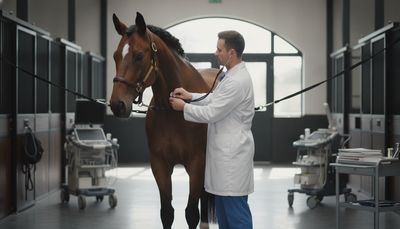
Level 1 covers the purely clinical exam without movement analysis. A veterinarian checks the heart, lungs, eyes, teeth and limbs at a standstill. This basic version costs between $130 and $200 and takes about 30 minutes. At best, it suits very inexpensive companion horses priced under $2,200.
Level 2 expands the exam with a movement analysis. The horse is trotted up in hand at the walk and trot on hard and soft ground, followed by lunging. The cost is $220 to $330. This basic PPE uncovers around 60 percent of the most common causes of lameness, as the Veterinary Association for Animal Welfare in Germany confirms.
Advanced Diagnostics From Level 3
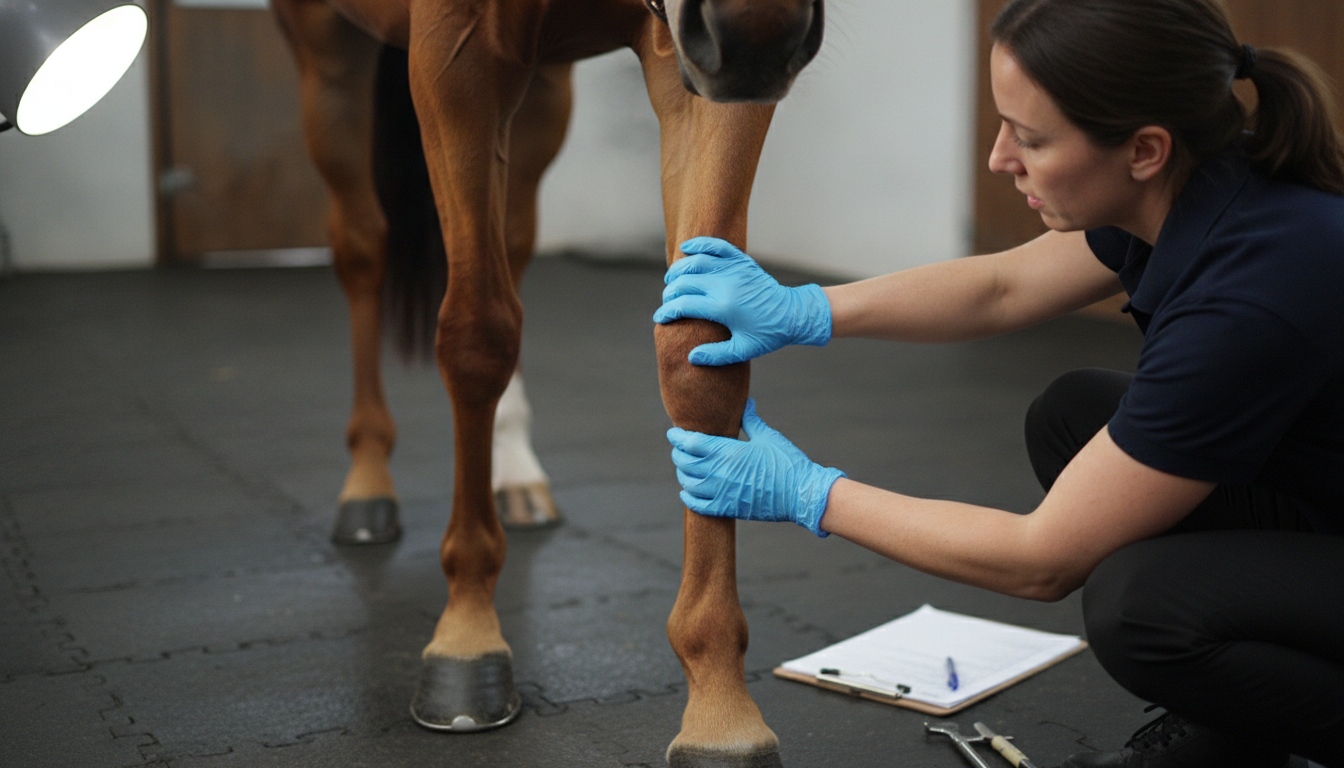
Level 3 is considered the standard for ambitious recreational riders and additionally includes flexion tests on all four limbs. Joints are flexed for 60 seconds and the horse is then trotted off. This often makes hidden joint problems visible. A realistic budget here is $400 to $500.
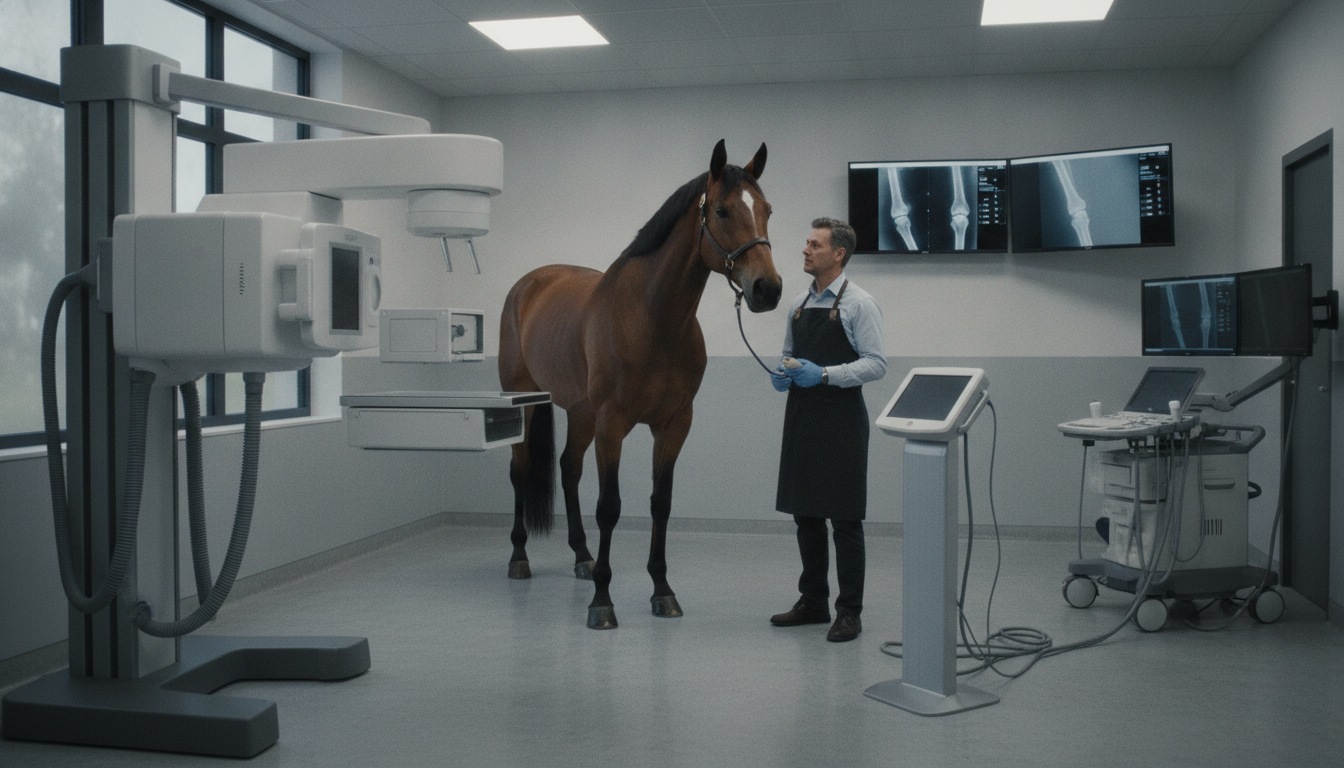
Level 4 adds X-rays of the limbs to the clinical exam. The so-called standard X-ray series comprises 18 images of the front and hind legs. This full PPE costs between $900 and $1,300 and is absolutely recommended for purchase prices of $11,000 and up. According to a 2022 study by the University of Veterinary Medicine Hannover in Germany, radiographic findings that were not clinically visible were discovered in 37 percent of the warmbloods examined.
Level 5 is the most comprehensive option, with additional special examinations such as airway endoscopy, ultrasound of tendons and ligaments, or cardiac checks. These exams can quickly cost $1,650 to $2,750 and are relevant for competition horses or breeding animals.
Which Pre-Purchase Exam Makes Sense for Beginners
As a newcomer on a limited budget, you face a dilemma. You don't want to spend a fortune on the exam, but you also don't want to buy a horse with health problems. The golden rule: invest at least 3 to 5 percent of the purchase price in the pre-purchase exam.
For a recreational horse priced at $5,500 to $9,000, at least Level 3 with flexion tests is recommended. This investment of about $450 can save you years of vet bills. A chronic tendon injury or navicular disease quickly causes follow-up costs of several thousand dollars a year.
Using the Purchase Price as a Guide to Exam Scope
For a warmblood priced over $13,000, you should not skip the X-rays. Having your X-rays interpreted correctly when buying a horse takes professional expertise. Insist that your veterinarian explain the images in detail and give you a written assessment.
For beginners who want to buy a horse, the rule is: don't save in the wrong place. An inadequate exam is more expensive than none at all, because it creates false confidence. Take the time to choose an experienced equine veterinarian who is ideally not also the seller's veterinarian.
Difference Between a Basic and a Full Pre-Purchase Exam
The dividing line between the basic and the full PPE usually runs between Level 3 and Level 4, that is, the decision for or against X-rays. Financially, that difference is about $550, but diagnostically it is worlds apart.
The basic PPE without X-rays reliably detects acute lameness and obvious problems. You can see whether the horse is sound in its gaits and has no acute respiratory problems. Chronic changes in bones and joints remain hidden, however. Hock arthritis (spavin), osteoarthritis and navicular changes develop gradually and only show up as lameness in advanced stages.
The full PPE with imaging documents the current condition of the structures. It doesn't automatically mean you are buying a sound horse, but you know what you are getting into. Some radiographic findings are harmless, others are grounds for rejection. An experienced veterinarian will explain the prognosis for each finding.
Mind Regional Price Differences
Veterinary exam costs vary considerably by region. In metropolitan areas such as Munich or Hamburg in Germany, you pay on average 20 to 30 percent more than in rural areas. The German veterinary fee schedule (GOT) only defines price ranges. Get a written quote with a detailed exam protocol in advance.
A reputable veterinarian prices transparently. Ask explicitly about hidden costs such as travel, on-call fees or writing up the written report. The German Equestrian Federation (FN) offers a veterinarian database with pre-purchase specialists at www.pferd-aktuell.de.
Plan the Timing and Process of the Exam Well
Never schedule the pre-purchase exam on a whim. Your preferred veterinarian needs lead time, and the horse should be properly prepared as well. Ideally, the exam takes place in the morning, before the horse has been worked. Many lamenesses show up more clearly after stall rest.
Insist on being present for the entire exam. You have the right to watch every step and ask questions. A good veterinarian explains every step and observation during the exam. Allow at least two hours for a Level 3 exam.
You should receive the exam report in writing no later than three days after the exam. It must contain the following elements:
- Description of the horse with microchip number for unambiguous identification
- Detailed description of all findings, including deviations from the norm
- Final assessment with a clear recommendation to buy or reject
- For X-rays: digital copies of all images with findings per the radiograph guidelines
- Signature and stamp of the examining veterinarian with the date
Use Additional Exams Selectively
Beyond the standard levels, there are useful add-ons you should consider depending on how the horse will be used. A blood test when buying a horse costs about $90 to $165 and provides information on metabolism, liver and kidney values and possible inflammatory processes.
For ambitious dressage or jumping riders, an endoscopy of the upper airways is recommended. Roaring (laryngeal hemiplegia) or soft palate defects significantly impair performance. This exam runs $220 to $330.
Special Checks for Certain Breeds
For warmbloods over 16.3 hands (1.70 m), you should pay particular attention to navicular lameness and hock arthritis (spavin). According to a survey by the German Equestrian Federation (FN), about 15 percent of large-framed sport horses develop spavin changes by age ten. Targeted X-rays of the hocks are standard here.
Ponies and small horses are prone to metabolic diseases such as EMS or Cushing's. A blood test with ACTH and insulin values provides certainty. For ponies under 14.2 hands (1.48 m), the pre-purchase exam usually costs 20 to 30 percent less, since fewer X-rays are needed.
Avoid Common Pre-Purchase Exam Mistakes
The biggest mistake is letting the seller's veterinarian perform the exam. A conflict of interest is built in. Insist on a neutral veterinarian of your choice. Reputable sellers have no problem with that.
Don't underestimate the importance of earlier findings. Request all previous X-rays and health certificates from the seller. A comparison with current images shows how changes have developed. Degenerative processes progress, while old injuries often heal without consequences.
Don't let yourself be pressured by time. Some sellers claim other prospective buyers are already lining up. A well-founded purchase decision takes time. There should be at least 48 hours between the pre-purchase exam and the purchase contract so that you can review the report calmly.
What a Pre-Purchase Exam Realistically Costs for a Warmblood
For an average warmblood aged 8 to 12 used for recreation, you should expect the following costs: Level 3 with a clinical exam and flexion tests costs $400 to $500. With standard X-rays (18 images), the price rises to $1,000 to $1,200.
An additional blood test including a full blood count and organ values: $130 to $200. Airway endoscopy: $275 to $400. Ultrasound of the tendons on all four legs: $220 to $330. A complete exam can therefore quickly cost $1,650 to $2,000.
This investment puts into perspective at a purchase price of $16,500 and an intended working life of 10 to 15 years. The annual costs of keeping a horse are at least $4,400 to $6,600. A sound horse saves you far more in the long run than you spend on the comprehensive PPE.
Insurance and the Pre-Purchase Exam
Many equine health insurance policies require a current pre-purchase exam as a condition of coverage. Without a report, insurers often decline benefits for pre-existing conditions. The PPE documentation serves as proof of the horse's health at the start of coverage.
Some insurers offer combined plans: they cover the cost of the pre-purchase exam up to a certain amount if you then take out health or surgical insurance. These offers are often worthwhile for newcomers, since you also get financial protection for future treatment.
FAQ: Common Questions About the Pre-Purchase Exam
How comprehensive should the PPE be for a first horse of my own?
For beginners, at least Level 3 with flexion tests and movement analysis is recommended. For purchase prices over $9,000, you should also have standard X-rays done. This combination offers a good balance between cost and informative value. Never skip a PPE entirely, even if the seller assures you the horse is healthy.
Can I pay for the pre-purchase exam in installments?
Most veterinarians expect cash payment or a bank transfer within 14 days of invoicing. Some practices offer installment payments for larger amounts. Clarify this by phone in advance. Alternatively, you can take out a small loan from your bank, where the interest is often lower than at the vet.
What happens if the PPE turns up negative findings?
You are not obligated to buy the horse. As the prospective buyer, you bear the cost of the pre-purchase exam regardless of the result. If the veterinarian discusses significant defects, you can withdraw from the purchase. Some findings are negotiable: for minor deviations, the purchase price can often be reduced. Document every agreement in writing in the purchase contract.
How long is a pre-purchase exam report valid?
A PPE report applies only to the time of the exam. It has no fixed validity period, but loses value the older it gets. If more than two weeks pass between the exam and closing the purchase, you should request a follow-up exam. In young horses, significant changes can occur within a few months.
Pre-purchase exam levels compared – which is the minimum standard?
The absolute minimum standard is Level 2 with a clinical exam and movement analysis. Anything below that offers too little security. For ambitious recreational riders, Level 3 with flexion tests is recommended. Competition horses and higher-priced warmbloods should generally be examined at Level 4 including X-rays. The decision depends on the intended use, the purchase price and your personal risk tolerance.
Conclusion: Invest in Security Instead of Risk
The pre-purchase exam levels offer the right solution for every need and budget. As a beginner, you should budget at least $450 to $550 for a Level 3 exam. For higher-value horses over $11,000, X-rays are indispensable, even if that doubles the cost.
Don't skimp on the health check of your future partner. An undetected tendon injury or progressing osteoarthritis can quickly turn your dream of owning a horse into a financial nightmare. The few extra hundred dollars for a comprehensive PPE are the best insurance against years of treatment costs and disappointment.
Choose an experienced, independent veterinarian and take the time for a thorough exam. With the right scope of health check, you can start your life with your new horse with peace of mind. Also look into suitable insurance to be covered in the long term.