Show Teams: How to Ride to Success Together
Reading time: 8 minutes
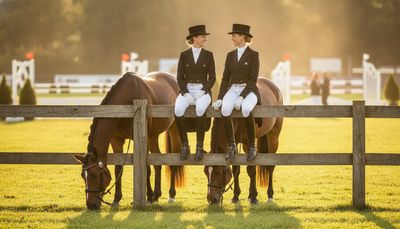
You're standing at the warm-up ring, your heart is pounding and the other riders all seem so seasoned. Do you know that feeling? A show team could be exactly the solution you need. Instead of jumping in at the deep end alone, you share nerves, costs and experience with like-minded riders who are on the same path.
More and more recreational riders are discovering show teams as the ideal way into grassroots competition. According to the German Equestrian Federation (FN), more than 320,000 riders take part in grassroots shows every year, many of them organized in teams.
What exactly is a show team and who benefits from it
A show team means several riders entering a show together, sharing the organization, transport costs and often the preparation as well. Unlike solo entrants, participants benefit from mutual support with loading, grooming and mental preparation. This way of showing opens up new possibilities, especially for recreational riders without a club connection.
The target group ranges from the ambitious hobby rider to the returning rider who wants to get a taste of show life again after a break to start a family. Owners of young horses also value the relaxed atmosphere in groups as they gently introduce their four-legged friends to the show scene. The German Riding Horse Breeders' Association has documented a 23 percent increase in group entries in grassroots competition since 2019.
Rules and regulations to know
The rules differ depending on the show. At USEF-recognized shows, every rider and horse generally needs the proper memberships and registrations, and each team member must enter individually. Schooling shows and local open shows are far more relaxed and usually require no membership at all, which makes them perfect for a first group outing. Where team scoring is offered, the weakest individual result often counts, which strengthens team spirit and takes off some pressure.
Important to know: liability stays with each individual rider. Additional show insurance is advisable. You can find details in our guide to horse insurance coverage, where different policies are compared.
Making the most of show teams in grassroots competition
The financial side speaks for itself: a single show outing with transport, entry fee and gate fee costs an average of $180 to $250. In a team of four, transport costs drop to about $35 to $45 per person. The shared trailer only makes the trip once, and diesel and tolls are split.
The group also offers mental strength. Show newcomers benefit from experienced riders who know how things work and give tips. Anna Bergmann of Oak Hollow Riding Club in Ohio reports: "Our show team has met regularly since 2021. Together we've already competed in more than 40 grassroots shows, and our success rate is 78 percent, well above the average for solo entrants in our area."
Motivation and social aspects
Driving to the show together also means training together beforehand. Many show teams organize weekly practice sessions where they set up courses or ride dressage tests. This routine not only boosts performance but also brings people together. If you're part of a team, you cancel less often and stick with it, even when things aren't going smoothly.
Waiting between classes is much more pleasant in a group. While solo entrants stand nervously by the trailer, team members chat, cheer each other on and celebrate small wins together. This atmosphere turns shows into an experience instead of an exam.
Finding riding buddies and starting a show team
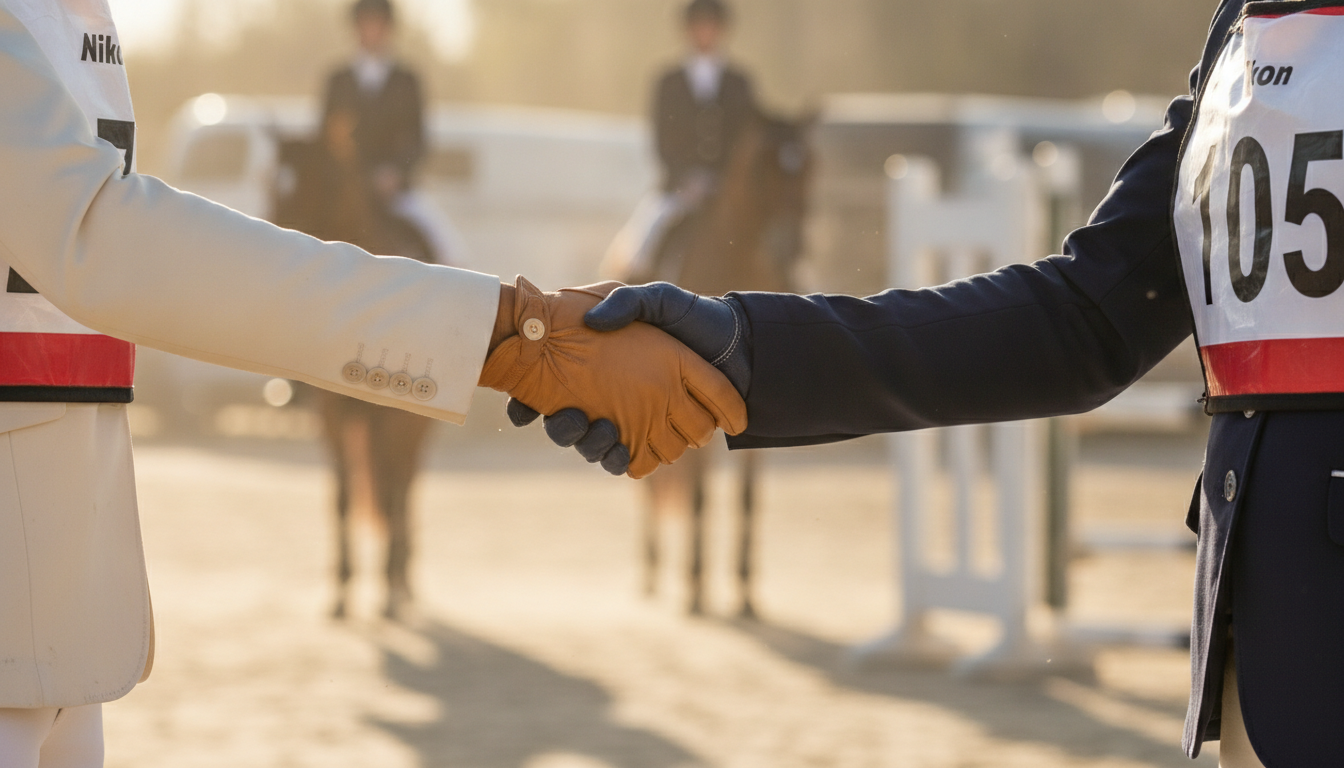
The best place to start looking for teammates is your immediate surroundings. Barn friends with a similar level and comparable goals are ideal candidates. Joining a riding club also opens up valuable contacts and networking opportunities.
Online platforms such as Meetup or specialized Facebook groups like "Show Buddies USA" (more than 12,000 members as of February 2024) offer search functions by region and discipline. Important: arrange to meet in person with a trail ride together before you sign up for a show. The chemistry between horses and people should be right.
Criteria for the right lineup
Similar performance levels make joint preparation much easier. If you're showing at the introductory level in dressage, you gain little from a partner at second level. The distance from the barn also plays a role: a carpool with a 40-mile detour quickly loses its charm.
Set clear rules from the start: who organizes transport and care? How are costs split? What happens with last-minute cancellations? A written code of conduct may sound like overkill, but it prevents misunderstandings later. The successful show team "Four-Leaf" from the Pacific Northwest has used a shared WhatsApp group since 2020, with responsibilities set out in the group description.
Organizing a show team and sharing riding costs
The logistics of a show trip require planning. Make a checklist of all the necessary documents: Coggins test, vaccination records, show membership and, for out-of-state events, possibly a health certificate. The entry deadline usually closes 14 days before the show. If you miss it, late entry fees of $25 to $40 per start loom.
Transport organization is especially important. Renting a two-horse trailer costs about $100 a day. With four riders, that comes to $25 each. Add fuel costs: at an average of 12 miles per gallon and a round trip of 100 miles, at current diesel prices of $3.60 per gallon that's about $30, or $7.50 per person.
Detailed cost overview for team outings
- Entry fee per class: $15 to $35 depending on level and organizer
- Annual show membership: about $75 once per year (for recognized shows)
- Shared trailer rental: $20 to $30 per person in a group of four
- Fuel share: $8 to $18 depending on distance
- Gate fee: $5 to $10 per rider
- Optional stall rental on site: $20 to $40 divided by group size
A complete show outing as a team therefore realistically costs between $90 and $135, well below the solo cost of $180 to $250. These savings allow more starts per season and thus faster learning progress.
Practical tips for your first show together
For your debut, choose a smaller, regional show. Willow Springs Riding Club in Pennsylvania, for example, holds beginner-friendly schooling shows every month with a maximum of 80 participants. Manageable events like this take the pressure off and give you the chance to learn how things run in peace.
Meet at the show grounds at least two hours before your first start. That gives you enough time to unload, warm up and have last-minute talks. Appoint one person as organizer to keep an eye on times and remind everyone of their starts. Modern show apps send push notifications 30 minutes before your own ride.
Mental preparation as a team
Nervousness is normal and easier to channel in a group. Establish small rituals: a shared breakfast at the trailer, warming up each other's horses or pep talks before the ride create cohesion. The show team "Lucky Riders" from Kentucky swears by its tradition of joining hands before every start, a simple ritual with a big effect.
Film each other's rides and discuss them constructively afterward. Video feedback speeds up learning enormously. Several free apps even allow automatic filming with smartphone tracking. Joint analysis like this strengthens not only your riding but also your team spirit.
Long-term success through regular showing

Consistency pays off: if you compete in at least six shows per season, you develop routine and composure. Since 2018, the FN has awarded the "Breitensport aktiv" (active grassroots sport) badge to riders with at least ten successful starts in two years. This award documents not only commitment but also boosts your riding résumé.
Show teams often develop their own season goals: reaching a certain placing, qualifying for regional championships or simply taking part together in a highlight event such as a regional amateur championship that draws more than 400 participants each September. Goals like these give direction and keep you motivated through low phases.
Further development and specialization
Some show teams grow into lasting training partnerships. Group lessons with qualified trainers who focus on show preparation move all members forward. A trainer costs about $75 to $110 per hour, which split four ways is a manageable $19 to $27.50.
If you notice your ambitions growing, you can invest in training. You can find high-quality show horses, for example, when you buy a dressage horse, where specially trained partners are matched to athletic goals. Proper keeping plays a role too, since intensive training phases require adjusted feeding and exercise.
Frequently asked questions about show teams
Can I show in a team with horses of different breeds?
Yes, breed doesn't matter at grassroots shows. Whether warmblood, Haflinger or Quarter Horse, what counts is level and training. Mixed teams are explicitly allowed and often bring a special dynamic to the group.
How do I find the right show level for my team?
Go by the weakest member of the group. If someone is confident at the introductory level in dressage, the team can show there too, even if others are already at first level. Honest self-assessment and perhaps a trainer's opinion help with choosing the right level.
What happens if a member drops out at short notice?
Define this situation in advance: are there cancellation fees on the entry? Can other members step in? Many shows allow entry changes up to 48 hours beforehand at no extra cost. A written agreement on dropout rules creates clarity.
Do I need special equipment to show in a team?
The basic equipment is the same as for a solo start: show attire according to the rulebook, clean tack and a well-turned-out horse. Matching saddle pads in a uniform color are practical for teams, cost from $40 and create a unified look.
How often should a show team train?
At least one joint training session a week is recommended for steady progress. Two weeks before a show, successful teams step up to two or three sessions. Regularity matters more than frequency, and a fixed time creates commitment.
Conclusion: stronger together in showing
A show team opens the door to active grassroots competition for recreational riders. It lowers financial hurdles, offers mental support and turns individual riders into a motivated team. Organizing it takes clear agreements and reliability, but it rewards you with unforgettable experiences and faster learning.
Whether you're just toying with the idea of showing or already have experience, the right team makes the difference between butterflies and excitement. Use existing networks, set clear goals and head into your first show season. Grassroots competition is waiting for you and your team. Ready for your first win together?