Buying a Riding Horse: Check Temperament Before the Trial Ride
Reading time: 9 minutes
An expensive purchase mistake often begins the first time you saddle the horse. If you want to buy a riding horse, you should assess its temperament beforehand, before you're in the saddle and possibly falling in love with an animal that later becomes a challenge in everyday life. Body language, reactions to simple stimuli and behavior in the barn reveal more about a horse's psyche than ten minutes of dressage in the arena.
According to a survey by the German Equestrian Federation (FN), 62 percent of buyers say that temperament problems are the most common reason for reselling a horse within the first two years. That figure shows that if you look only at conformation and gaits when buying a riding horse, you overlook the most important thing.
Why the temperament check before you first mount decides everything
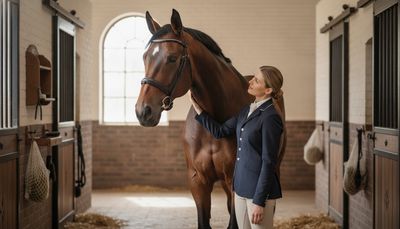
Many sellers present their horse already warmed up, lunged or in familiar surroundings. The animal shows its best side. Nervousness, restlessness or dominant behavior often go unnoticed if you climb straight into the saddle. A horse's temperament reveals itself in unfamiliar situations, though: when leading, grooming or interacting with other horses.
A calm trail horse, for example, should be easy to take out of its stall, cross-tie and let strangers touch. If the animal already tosses its head or evades when being haltered, that is a warning sign. Equally telling: how does the horse behave when you separate it from the herd? A partner for life shouldn't panic just because it's alone for a moment.
Behavior tests in the barn: how to recognize a horse's true temperament
Before you buy a riding horse, use these simple tests right in the barn. You don't need any equipment, just a good eye.
Leading test with and without distractions
First lead the horse on familiar ground, such as from the stall down the barn aisle. Look for a loose lead rope, a soft neck and willing following. A balanced horse walks beside you without pulling, crowding or constantly stopping. Then test its reaction to unexpected stimuli: drop an object, suddenly open a door or ask a stranger to walk toward you.
Does the horse startle briefly but quickly settle again? Positive. Does it stay tense or refuse to cooperate? Critical. When buying a riding horse for leisure riding, calmness matters more than spectacular movement. A nervous horse won't turn into a relaxed companion even after months.
Physical contact and touch sensitivity
Stroke the shoulder, flank, croup and legs, including spots that are often avoided when grooming. A confident, people-oriented horse tolerates touch without pinning its ears or moving away. If the animal flinches at every movement of your hand, that points to bad experiences or an oversensitive nervous system.
Test the hooves as well: can all four be picked up without protest? A horse that bucks or kicks when you ask for a hoof will test your patience at the farrier. Such behaviors are often deeply rooted and can only be corrected with considerable training effort.
Observing feeding and social behavior
Ask the seller whether you can watch the horse in the herd or while eating. Dominant animals defend their feed aggressively, chase other horses away or generally show little consideration. That often carries over to people: a horse that acts ruthlessly in the herd also tends to cross boundaries with humans.
A low-ranking, fearful horse, on the other hand, may have trouble integrating at a new barn. The ideal is a balanced animal that neither constantly backs off nor constantly pushes others around.
Calmness checks before buying a riding horse: concrete exercises
You can do these tests with minimal effort before you even think about saddling. They tell you about steady nerves, willingness to learn and trust.
- Umbrella test: open an umbrella about ten feet away. A calm horse looks with interest but stands quietly or steps back in a controlled way.
- Tarp or cloth: lay a large cloth on the ground and lead the horse over it. A curious, self-assured animal approaches hesitantly but without panic.
- Ground work with poles: set up a simple maze of cavaletti poles. How does the horse react to unfamiliar tasks? Does it stay focused or get frantic?
- Separation test: lead the horse out of sight of the herd. A mentally stable animal stays calm even when briefly alone.
These exercises come from what is known as "horsemanship" and have been recommended for decades by experienced trainers such as Linda Tellington-Jones. According to a University of Bristol study, horses with low stress levels in such tests also react much more calmly to new situations in everyday life.
Warning signs in temperament: red flags before the trial ride
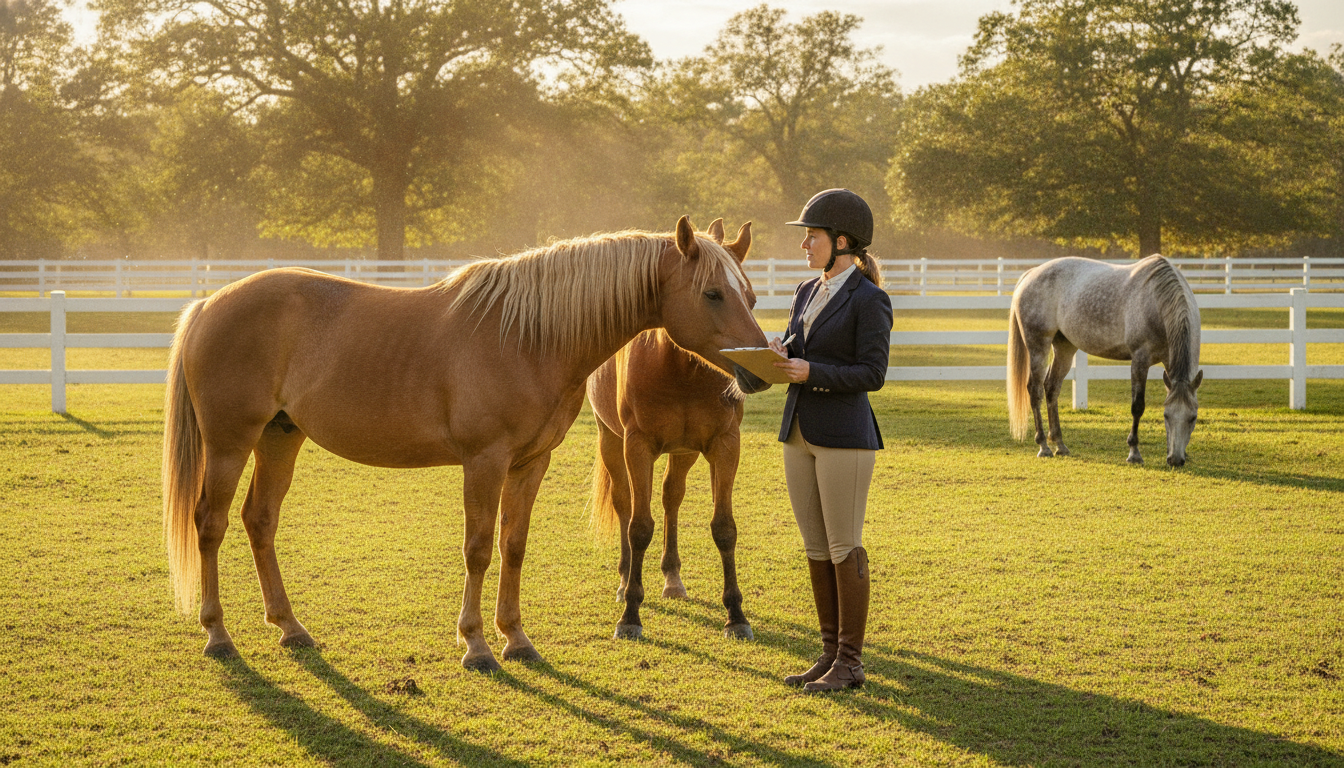
Some behaviors should make you prick up your ears right away. They're not always a deal-breaker, but they deserve special attention and honest answers from the seller.
Constant head tossing, teeth grinding, pinned ears
These signals show discomfort, pain or frustration. They are to be taken seriously, especially when saddling, bridling or being touched. A horse that already shows clear stress symptoms before you mount won't become a reliable partner. Ask questions: has the animal been examined by a vet recently? Are there problems with the back, the bit or the tack?
It is also worth looking at the scope of the pre-purchase exam to rule out physical causes of discomfort.
Difficulty loading
Ask to load the horse, even if you don't have to transport it on the viewing day. Trailer-loading stress is one of the most common points of conflict in everyday horse life. A horse that only gets into the trailer with tricks, pressure or long negotiations will frustrate you at every vet visit or show.
Does the horse step in calmly and on its own? Very good. Does it need treats and gentle coaxing? Still acceptable. Does it refuse completely or panic? Rethink the purchase.
Aggression toward people or horses
Snapping, biting, kicking or rearing are absolute deal-breakers if you are looking for a safe trail horse. Of course any horse can get spooked or be unwilling from time to time. Systematic aggression, however, is a sign of serious behavioral problems or traumatic experiences.
Ask about its history: how many owners has the animal had? Why is it being sold? Vague answers like "not enough time" should make you suspicious if the horse is also showing conspicuous behavior.
Nervousness or calmness: what really makes up a horse's temperament
Not all nervousness is the same. Some horses are naturally more alert, more reactive and more sensitive, which doesn't make them unsuitable, just different. What matters is whether the horse can regulate itself. Does it quickly return to calm after a scare, or does it work itself up into stress?
A slightly nervous warmblood that pauses briefly in new situations but then cooperates can be a fantastic sport horse. A chronically tense animal that is permanently "switched on," on the other hand, will wear you out physically and mentally. Especially if you don't yet have years of riding experience yourself.
The suitability as a trail horse depends largely on how independently the animal can handle stress. A horse that constantly needs reassurance or overreacts to the slightest departure from routine isn't right for relaxed trail rides or changing surroundings.
The trial ride: only after passing the temperament check
Once the horse has passed all the behavior tests with flying colors, the classic trial ride follows. Now you can judge whether the animal suits you under saddle as well. But even the best ride can't hide temperament deficits that showed up earlier.
Pay attention while riding: does the horse stay supple and attentive? Does it respond to subtle aids or does it need constant pressure? An animal that already shows cooperation problems on the ground won't suddenly become a dream horse in the saddle. Conversely, a horse that lets you lead, groom and handle it without showing stress brings the best foundation, even if the first minutes of riding don't feel perfect yet.
Think about the legal side, too: the purchase agreement should clearly describe temperament traits. "Good on trails" or "suitable for beginners" are assurances you can rely on later if the horse behaves differently.
Think long term: does the temperament fit your daily life?
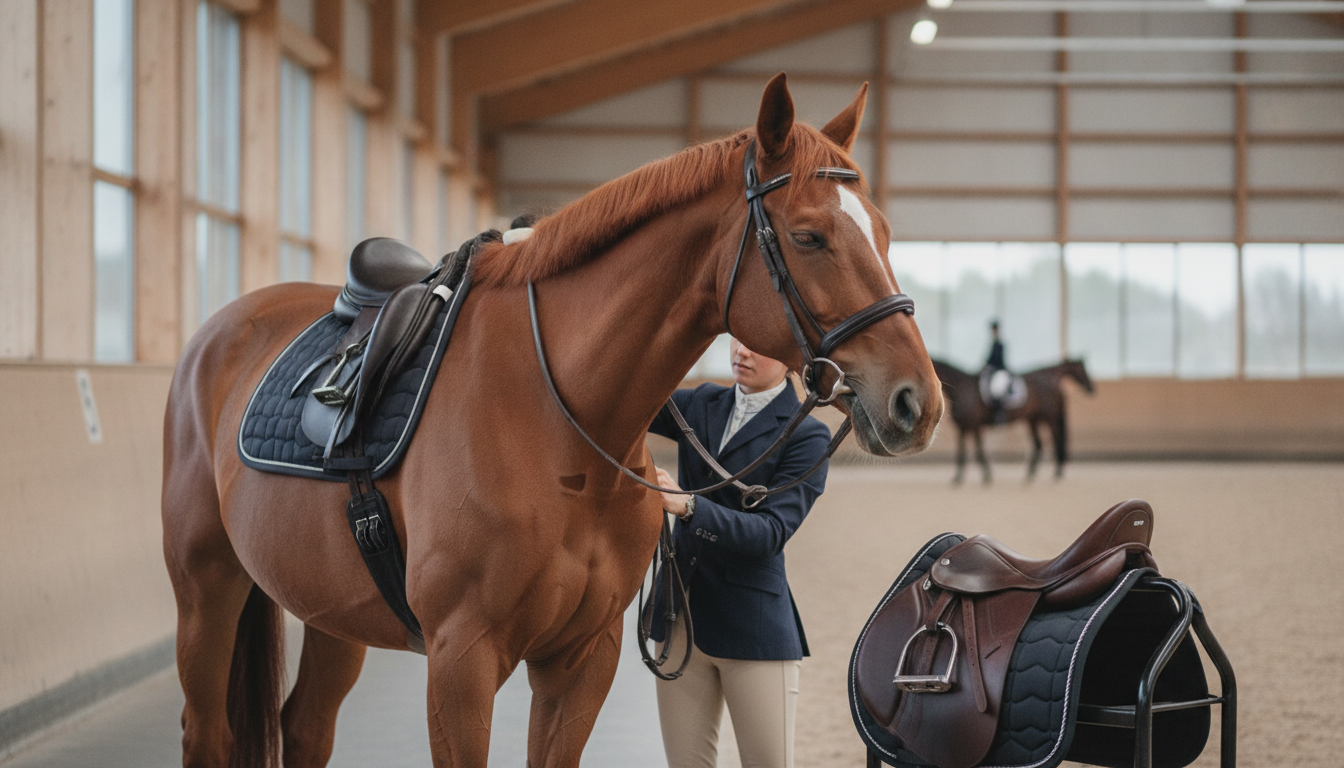
Buying a riding horse means choosing a partner for many years. Ask yourself honestly: which temperament fits your riding style, your experience and your goals? An ambitious show horse needs regular work and clear leadership. A calm trail horse forgives beginner mistakes but gets bored with too little variety.
Ask yourself: how much time do I have each day? Am I willing to work on behavior problems, or do I need a "fully trained" horse? Do I have support from a trainer or barn friends? These points influence which horse temperament suits you, more than breed, color or height.
The financial side matters too: a horse with behavior problems causes higher costs for training, professional schooling or specialized boarding. Calculate realistically whether your budget can handle that, not just at purchase but over years. You can find more on this at first horse budget.
Frequently asked questions about the temperament check before buying a riding horse
How can I reliably recognize temperament when buying a riding horse?
Watch the horse in different situations: when leading, grooming, in the herd and with unexpected stimuli such as loud noises or unfamiliar objects. A reliable temperament shows in quick calming after a scare, willing cooperation and balanced social behavior.
Which behavior tests should I do before the trial ride?
Lead the horse through a small obstacle setup, test its reaction to an umbrella or tarp, pick up all the hooves and separate the animal briefly from the herd. These tests show calmness, willingness to learn and trust before you get on.
What are absolute warning signs in a horse's temperament?
Systematic biting, kicking, rearing or trailer-loading stress are serious warning signs. Equally critical: head tossing when saddling, panic when separated from other horses or permanently pinned ears. These behaviors point to deeper problems.
Can I make a nervous horse calmer through training?
Nervousness can often be reduced through consistent, positive training, but the basic temperament remains. A naturally highly sensitive horse will never be as laid-back as a phlegmatic one. Consider whether you are ready to work on this long term.
How important is temperament compared to training level and conformation?
Temperament is the foundation. A well-trained horse with a difficult nature becomes a burden in daily life, while a horse with a solid temperament but gaps in training can be schooled further. Conformation flaws affect health but not the daily joy of owning a horse; temperament does.
Conclusion: temperament over looks, and how to buy the right riding horse
If you want to buy a riding horse, never underestimate temperament. The most beautiful looks and the most elegant movement are worth nothing if the animal is difficult, fearful or aggressive in everyday life. Use simple behavior tests before the trial ride to check calmness, willingness to cooperate and steady nerves. Watch for warning signs like head tossing, trailer-loading stress or aggression; they reveal more about your future with this horse than ten minutes in the saddle.
Invest time in observing. Ask critical questions. And be honest with yourself: does this temperament really fit your skills, your daily life and your goals? Buying a riding horse means choosing a long-term partner, and the decision is only worth it if the chemistry is right. Learn about all the legal and medical aspects now to prepare your purchase as well as possible, and start your life together with confidence.