Horse Shedding in Spring: Care and Nutrition Guide
Reading time: 8 minutes
When the first tufts of hair come loose in February and your horse looks like it is exploding, the most demanding phase of the year begins for the horse's body. Shedding takes as much energy as a moderate illness – which is exactly why your four-legged friend now needs more than just regular brushing.
The right support during this transition decides whether your horse stands there in May with a glossy summer coat or struggles with a dull, flaky one. Between March and June the metabolism runs at full speed, and anyone who feeds and grooms with purpose now saves themselves expensive vet visits for eczema or skin problems later.
Why Shedding Is So Taxing on Horses
Shedding is not a cosmetic process but a metabolic effort that challenges the entire organism. According to a 2019 study by Leipzig University in Germany, protein requirements rise by up to 30 percent during shedding. Each of the roughly 5 million hairs on a horse's body is renewed – from the short summer hair to the long winter wool.
Daylight length is the decisive trigger. As soon as the days noticeably lengthen in February, the pineal gland in the horse's brain responds. It reduces production of the hormone melatonin, which in turn starts the shedding. This process takes 8 to 12 weeks on average and puts particular strain on older horses aged 15 and up as well as immunocompromised animals.
During this time the skin, the largest organ, works at full tilt. The sebaceous glands produce intensively to protect the new coat, and the body mobilizes large amounts of minerals and trace elements. Poor supply later shows up as brittle, dull hair or delayed shedding that can drag on into high summer.
Essential Nutrients for a Glossy Summer Coat
Feeding largely decides the quality of the summer coat. Certain nutrients are absolutely essential during horse shedding and should be supplied deliberately.
Zinc and Biotin as the Basis for Skin and Hair
Zinc is the key nutrient for healthy coat growth. The recommended daily dose is 400 to 600 mg for a 1,320 lb (600 kg) warmblood, and during shedding that amount may be raised to up to 800 mg. The trace element activates over 200 enzymes involved in cell division and protein synthesis. Zinc deficiency shows up as flaky skin, hair loss and delayed shedding.
Biotin, also known as vitamin H, supports keratinization processes in skin and hair. A dose of 20 to 30 mg daily has proven itself in practice. According to the supplement maker Equipur, first improvements in coat quality appear after about 6 to 8 weeks of consistent feeding.
Omega-3 Fatty Acids for Shine
Linseed (flaxseed) oil is the classic among coat-shine feeds. Daily, 50 to 100 ml (about 2 to 3.5 fl oz) of high-quality, cold-pressed flaxseed oil supplies essential omega-3 fatty acids that curb inflammation and strengthen the skin barrier. Black cumin oil is an alternative with an added immune-boosting effect, but it should only be fed in smaller amounts of no more than 30 ml (about 1 fl oz) per day.
The fatty acids improve not only the visual shine but also the elasticity of the skin. That is especially important when the winter coat comes loose and the skin underneath is often dry and flaky.
Don't Forget Protein Supply
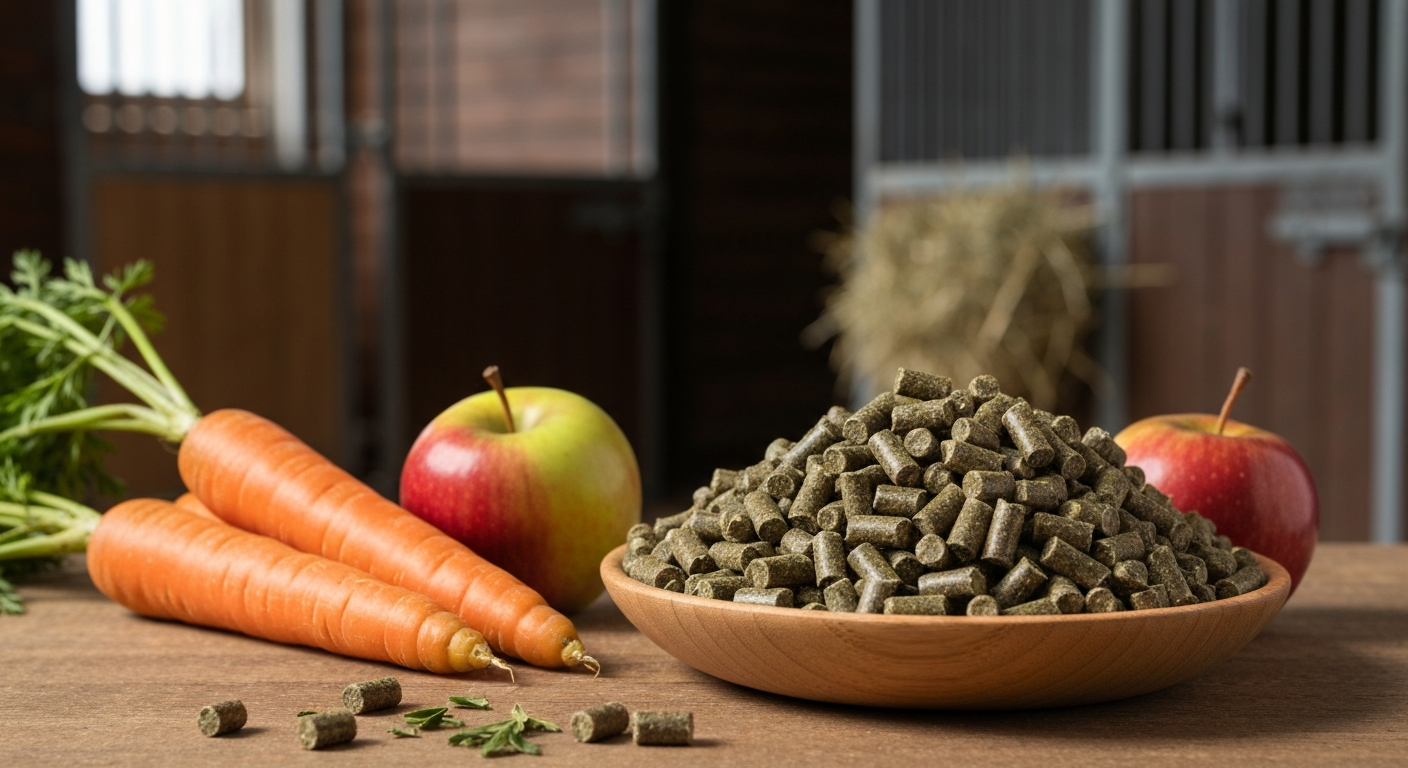
Hair is more than 90 percent keratin, a structural protein. During shedding the horse needs high-quality proteins with all the essential amino acids. Methionine and lysine are especially important and are found in alfalfa, soybean meal and special supplementary feeds.
A 1,320 lb (600 kg) horse in light work needs about 630 grams of digestible crude protein daily. During shedding this can rise to 750 to 800 grams. High-quality hay, supplemented by a handful of alfalfa cubes, usually covers this need. The composition of the ration should always be factored in with the long-term costs of keeping a horse.
The Right Grooming Routine During Shedding
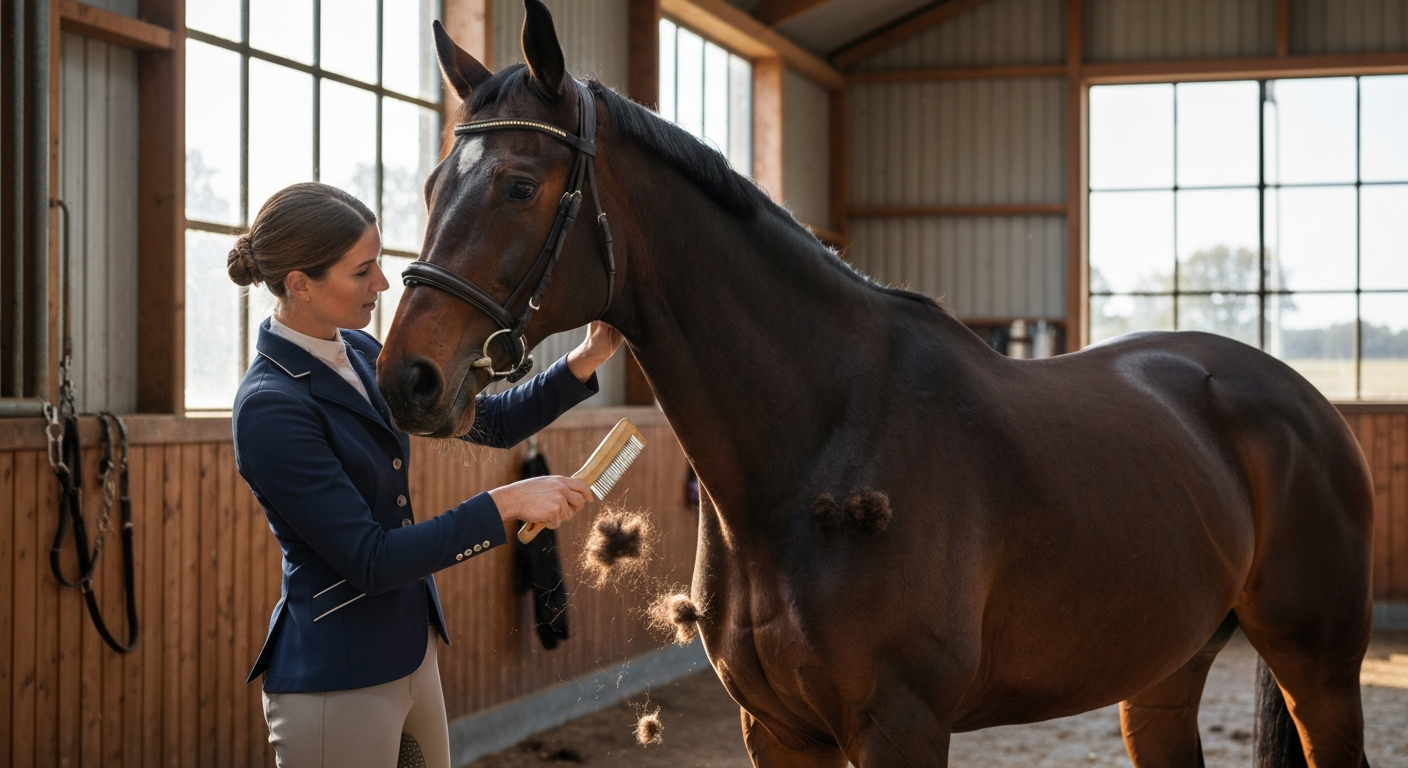
Daily currying is mandatory, not optional, during horse shedding. The mechanical stimulation boosts blood flow to the skin, loosens dead hair and distributes skin oil evenly through the coat.
Using Curry Combs and Brushes Correctly
Start with a rubber curry comb in circular motions on the neck. The pressure should be firm enough to loosen loose hair but not so strong that the horse tenses up. Most of the hair collects on the neck, shoulder and croup. A metal curry comb with rounded teeth is suitable for horses with very dense coats but should never be used on the head, legs or belly.
After currying comes the body brush, a soft brush that picks up the loosened dust and fine hair. Brush in long, even strokes in the direction of hair growth. The brush should be knocked out against the curry comb after every third stroke, otherwise you're just redistributing the dirt.
Stiff natural-bristle brushes (root brushes) massage the skin and stimulate sebum production. Brushed against the grain for about 5 minutes once a day, they boost circulation and the winter coat comes out faster.
Additional Tools for Shedding Season
A shedding tool with rotating rubber teeth, like the FurminatorEquine from ShedMonster, removes up to 90 percent of the loose undercoat in one grooming session. This investment of about $40 saves 10 to 15 minutes of grooming time every day and significantly reduces flying hair in the barn aisle.
Coolers after training prevent the horse from chilling in a wet coat. Especially in March and April, when temperatures still swing, the immune system is weakened by shedding. A chill can quickly turn into a respiratory infection.
Common Problems and Solutions During Shedding
Not every shedding season goes smoothly. You should take certain warning signs seriously and, if necessary, have them checked by a veterinarian.
Delayed or Absent Shedding
If your horse still has significant remnants of its winter coat in May, hormonal disorders may be behind it. Equine Cushing's syndrome, a disorder of the pituitary gland, affects about 20 percent of all horses over 15 and massively delays shedding. Affected horses often develop a long, curly coat that doesn't shed or only sheds partially.
A blood test with the relevant lab values brings clarity. The ACTH value should be below 47 pg/ml between September and February and below 29 pg/ml in summer. Elevated values call for medical treatment with pergolide.
Itching and Skin Irritation
Severe itching during shedding is not normal. Often ectoparasites such as lice or mites are behind it, having multiplied under the dense winter coat. Allergic reactions to feed or environmental allergens can also show up now.
Mineral deficiency, especially of zinc and selenium, leads to dry, flaky skin. The skin becomes vulnerable to bacterial infections and fungus. A skin check by the veterinarian and a feed analysis bring clarity. Often it is enough to adjust the base ration and add a high-quality mineral feed.
Checklist for Optimal Shedding
- Curry and brush thoroughly for at least 15 minutes daily to remove loose hair and stimulate blood flow to the skin
- Raise zinc intake to 600 to 800 mg daily, combined with 20 to 30 mg biotin for optimal coat growth
- Feed 50 to 100 ml (about 2 to 3.5 fl oz) of cold-pressed flaxseed oil daily for shine and healthy skin function
- Increase protein supply to 750 to 800 grams of digestible crude protein through alfalfa or high-quality concentrate
- Use a cooler after training to avoid chilling and infections
- If shedding is delayed from May on, have the hormone status checked by a veterinarian
- Ensure water supply: at least 8 to 10.5 gallons (30 to 40 liters) of water daily for metabolic processes
When to Consult the Veterinarian
Certain symptoms during horse shedding call for professional evaluation. These include massive weight loss despite unchanged feeding, large bald patches, purulent skin changes or persistent fever above 101.3 °F (38.5 °C).
Also, if the horse becomes noticeably less energetic, sweats more or has diarrhea, don't hesitate. Shedding strains the organism, but it also reveals existing illnesses that were previously compensated for. Timely diagnosis prevents chronic courses.
According to a 2021 survey by the University of Veterinary Medicine Hannover in Germany, about 12 percent of all horses develop complications requiring treatment during spring shedding. The most common are colic from water refusal, skin infections and respiratory disease from weakened immune defenses.
Long-Term Strategies for a Healthy Coat
Summer coat quality doesn't depend only on spring care. Year-round balanced feeding with enough roughage, a mineral supply that meets needs and regular exercise lay the foundation.
The hay quality in particular plays a role. Moldy or dusty hay burdens the liver, which has to perform at peak levels during shedding. Look for green, aromatic hay that raises no dust when shaken.
Regular deworming based on fecal egg counts keeps the parasite load low. Heavily wormed horses often have dull coats and poor shedding, because the parasites rob nutrients and damage the intestinal lining. A deworming plan should always be worked out individually with the veterinarian.
Frequently Asked Questions About Horse Shedding
How long does horse shedding normally take?
Shedding from the winter to the summer coat takes 8 to 12 weeks on average. It usually begins at the end of February and is finished by early June in healthy horses. Older horses and those with hormonal disorders often need longer.
Which nutrients does a horse especially need during shedding?
Zinc (600-800 mg daily), biotin (20-30 mg), omega-3 fatty acids (50-100 ml of flaxseed oil) and high-quality proteins with essential amino acids are the most important nutrients. B vitamins and selenium also support metabolism during this demanding phase.
Should you clip horses during shedding?
A spring clip only makes sense if the horse sweats heavily and the winter coat hinders training progress. For normally working recreational horses, intensive currying is enough. Clipping interferes with the natural process and should be well considered.
Why does my horse seem sluggish during shedding?
Horse shedding is metabolically intensive and comparable to a moderate illness in terms of energy use. Tiredness and slightly reduced performance are normal. If there is severe lethargy, fever or refusal to eat, consult the veterinarian.
Can you speed up shedding?
Shedding follows hormonal rhythms and cannot be artificially accelerated. Thorough daily currying, optimal nutrient supply and enough daylight support the natural process. Artificial lighting in the barn can move the start up slightly but can't shorten the duration.
Conclusion: Investing in Health Pays Off
Horse shedding is more than a visual change. It is a health indicator and a phase in which targeted support lays the foundation for a vital summer half-year. Anyone who invests in high-quality nutrients now, grooms consistently every day and takes warning signs seriously will be rewarded with a horse that not only shines but is also capable and resilient.
The cost of extra feed and grooming products is about $45 to $90 per shedding period – a manageable investment compared with possible vet costs for skin problems or metabolic disorders. Start the targeted support by the end of February at the latest, and nothing stands in the way of a radiant summer coat. Use the time, too, to look at your horse's health as a whole and address any weak points.