Buying a Horse from a Private Seller: What to Watch For
Reading time: 6 minutes
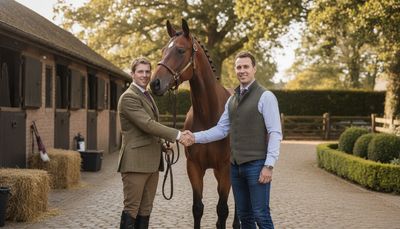
A listing on a horse marketplace, a friendly phone call, a barn visit on a Saturday afternoon, and suddenly the decision is right in front of you. Buying a horse from a private seller often saves money, but it also means taking on the roles a dealer would normally cover: inspector, negotiator, and contract expert all in one. That's exactly why it's worth taking a close look at what's different about buying privately compared to buying through a professional dealer.
Buying a Horse from a Private Seller: What It Really Means
In a private sale, one individual sells their horse directly to another, with no middleman and usually no commission involved. That sounds straightforward, but it also means there's no business behind the deal that's liable for the accuracy of the information provided. Anyone buying a horse from a private seller negotiates directly with the previous owner and has to evaluate their claims independently.
This applies to the horse's medical history just as much as its training level. Many sellers are honest and well-informed, but some are simply not equipped to objectively assess their own animal. One example: a horse described as "just a bit spooky in traffic, totally normal" turns out, during the trial ride, to be a genuine safety risk.
Advantages of Buying a Horse Without a Dealer
Buying a horse without a dealer has real advantages that make it appealing, especially for experienced buyers. The seller often has known the horse for years and can give very specific details, such as feeding habits or how it behaves with the farrier. On top of that, there's no dealer margin added to the price, so the purchase price tends to reflect actual market value more fairly.
- Direct contact with the previous owner, often available for questions for months afterward
- A complete history is usually available without gaps, including vaccination records, show results, and past illnesses
- Room to negotiate on price, since there's no commission to factor in
Anyone wanting to dig deeper into breeding and pedigree will find useful pointers in the article on warmblood breeding papers, which explains how pedigree affects value. This is especially relevant for private sales, since paperwork here is less standardized than at professional breeding operations.
Recognizing the Risks of Buying a Horse Privately
The risks of buying a horse from a private seller mostly come down to a lack of neutrality and limited legal protection. A seller who is emotionally attached to their horse may unconsciously downplay problems. There's also often a lack of experience with contracts, which can lead to vague or incomplete agreements.
Common Pitfalls in Listings
Listings on online horse marketplaces sometimes sound more promising than reality holds up. Phrases like "suitable for any rider" or "no issues whatsoever" deserve a healthy dose of skepticism. For more on evaluating these kinds of offers, see Buying Horses Online, which covers typical warning signs in online ads.
Another risk involves warranty claims. Many private sellers want to exclude all liability, which isn't always legally enforceable. For a closer look at the limits of such exclusions, check out the article on warranty exclusions when buying a horse.
How to Spot a Trustworthy Private Seller

Spotting a trustworthy private seller takes more than just a good gut feeling. Legitimate sellers, for instance, will hand over the complete vaccination record and the equine passport number without hesitation. They'll also allow an independent pre-purchase exam by a vet of your choosing, without pushing back.
How a seller reacts to tough questions also tells you a lot. If someone is evasive about past injuries or only allows a trial ride under strict conditions, that's worth being cautious about. Trustworthy sellers will typically also allow a second or third visit before you have to make a decision.
Questions You Shouldn't Skip During a Barn Visit
Visiting in person is the best way to clear up a lot of uncertainty, as long as you ask the right questions. Important topics include the horse's daily housing type, feeding routine, and any known intolerances. The horse's temperament under saddle should also be discussed thoroughly before the trial ride begins.
For guidance on assessing a horse's temperament before you even sit in the saddle, see Buying a Riding Horse: Checking Temperament Before the Trial Ride. This kind of assessment is especially important in a private sale, since there's no automatic second professional opinion on hand.
Buying a Horse Privately: What Matters Legally in the Contract
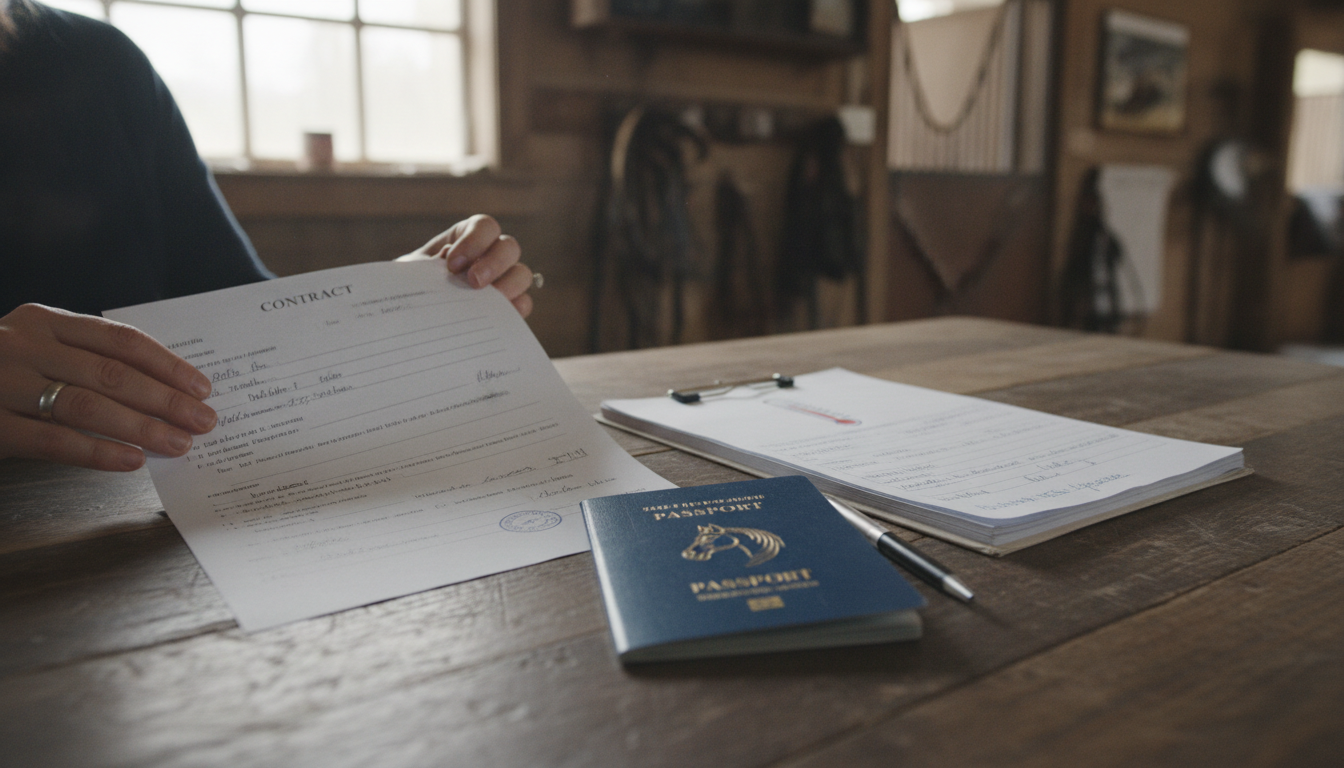
A well-thought-out purchase contract protects both sides and helps prevent disputes down the road. Verbal promises often don't hold up legally if problems arise later. That's why every important characteristic of the horse should be documented in writing as part of the agreed specifications.
For guidance on how to word such an agreement, see the article on specifying agreed traits in a horse purchase contract. It's also worth considering a trial period, since many private sellers are open to this if you simply ask.
According to the German Federal Statistical Office, there's currently no central, mandatory reporting requirement for private horse sales, which makes it harder to get an overview of the market (destatis.de). This is exactly why solid documentation plays such a central role when buying a horse without a dealer.
Pre-Purchase Exam and Health Check When Buying Privately
Precisely because there's no dealer guarantee in a private sale, the pre-purchase exam becomes especially important. How thorough the exam should be depends on the horse's age, intended use, and price. For an overview of the different exam levels, see Pre-Purchase Exam Levels: Which Scope Is Right for You?.
The German Equestrian Federation (FN) notes in its informational materials that a veterinary exam before purchase is generally recommended, regardless of how the sale takes place (pferd-aktuell.de). When buying a horse from a private seller, this exam essentially stands in for the missing dealer guarantee.
Price Negotiation and Payment When Buying Privately
Price negotiations in private sales often get more emotional than with dealers, since personal attachment is part of the picture. A fair approach is to get a realistic sense of market value beforehand, for example by comparing listings for horses of the same breed and training level. If you're looking for a dressage horse, our section on dressage horses for sale offers useful reference points for typical price ranges.
When it comes to payment, a bank transfer with clear documentation is generally recommended over cash with no receipt. This protects both parties if a dispute arises and makes things easier to prove later on, whether for insurance or official purposes.
Frequently Asked Questions About Buying a Horse from a Private Seller
Is buying a horse from a private seller safer than buying from a dealer?
Not necessarily safer, just risky in a different way. Buyers take on more responsibility themselves for inspection and contract terms in a private sale.
What documents should a private seller be able to provide?
At minimum, the equine passport, vaccination records, and ideally the horse's breeding papers. If these are missing with no plausible explanation, that's a reason for caution.
Can you arrange a trial period when buying privately?
Yes, many private sellers agree to a short trial period if you ask directly. Legally, this should be put in writing.
How can I spot an untrustworthy seller when buying a horse privately?
Evasive answers, pressure to decide quickly, and reluctance to allow a pre-purchase exam are all clear warning signs.
Is a written contract worth it even for a low purchase price?
Yes, regardless of price, a written contract protects both parties from misunderstandings and disputes later on.
Conclusion: Going into a Private Horse Purchase Well Prepared
Anyone buying a horse from a private seller benefits from direct contact, often fairer prices, and a complete history, but in return needs to look more closely than they would with a dealer. Clear questions, an independent pre-purchase exam, and a properly worded contract make the difference between a good decision and an expensive mistake. Take the time this process deserves, even if you're eager to finally have a horse of your own. If you're unsure, it's worth reviewing the legal basics of the purchase contract one more time before your next barn visit — it almost always pays off in the end.