Trail Horse Temperament: Which Horse Suits You?
Reading time: 9 minutes
Picture this: a relaxed trail ride through the woods ends abruptly because your horse bolts at every rustle in the bushes. A recreational horse's suitability depends crucially on temperament – a factor that decides between relaxed rides and stress in the saddle. While ambitious show horses often bring fire and spirit, pleasure riders need a partner with a steady, nerve-calming character.
The right temperament in a pleasure horse makes the difference between enjoyment and danger. According to a 2022 study by the German Equestrian Federation (FN), 68 percent of all riding accidents in recreational riding in Germany trace back to spooking incidents made worse by an unsuitable temperament. Choosing the right character protects not only your safety but also your investment – because a stressed horse costs more money and nerves in the long run.
The Five Most Important Personality Traits for Relaxed Trail Riding
An ideal pleasure horse combines specific character traits that go far beyond basic obedience. A trail horse's temperament should rest on five core traits that, as research shows, have the greatest influence on a recreational horse's suitability.
Calmness as the Cornerstone of Safety
Calm horses respond to unexpected stimuli with curiosity instead of flight. The Haflinger breeding program in Austria has selected specifically for this trait since 1975 – with measurable success. A calm horse shows at most heightened attention at traffic noise, but no flight reaction. Test concretely during the trial ride: is the horse thrown off by fluttering plastic bags, passing tractors or barking dogs?
The Western riding association EWU documented in 2021 that horses with proven calmness cause 82 percent fewer accidents. You can check this trait at first contact: does the horse stay relaxed during grooming when strangers walk past? Does it show interest in new objects without panicking?
Getting Along With Other Horses
Pleasure horses often spend time in a group – whether in an open stable or a stall. A sociable temperament prevents stress and injuries. Watch the horse in the herd for at least 30 minutes: does it actively seek contact or isolate itself? Aggressive or overly dominant horses make integration into existing groups considerably harder.
Especially important: the rank position should be flexible. Horses in the middle of the hierarchy adapt best to different herd situations. Marbach State Stud in Germany has been systematically testing sociability since 2018 and documents that middle rank positions go along with a 76 percent lower injury rate.
Pleasure Horse Temperament: Breed Versus Individual Disposition
The breed of a pleasure horse provides pointers, but individual disposition decides. While Quarter Horses are generally considered calm, there are nervous individuals of this breed too. Conversely, you will find calm characters among Thoroughbreds – though less often.
Proven Breeds for Pleasure Riders With Specific Temperament Profiles
Haflingers, Fjord horses and Norwegian breeds are statistically among the steadiest-nerved breeds. The breed associations for these breeds have run temperament tests for decades. The Haflinger Breeders Association Tyrol documents that 89 percent of its tested stallions pass the calmness test – a figure that is only 54 percent for warmbloods (source: Haflinger Breeders Association Tyrol, 2022 annual report).
Tinkers (Gypsy Vanners) and Shire horses also show above-average beginner-horse qualities. Their breeding history as work horses selected for steady nerves over generations. The British Shire Horse Society has systematically recorded temperament assessments since 1995 and confirms that 91 percent show high stress tolerance.
Warmbloods as Pleasure Horses – What to Watch For?
Warmbloods dominate the German horse market, but not every warmblood is suited as a pleasure horse. Horses from performance lines often have more temperament than you want. Check the breeding papers and pedigree carefully: if the horse comes from dressage or jumping lines, extra caution is warranted.
Hanoverians from pleasure lines or Oldenburgs with proven suitability for recreation offer good compromises. The Hanoverian Verband has held separate pleasure-horse approvals since 2010, in which calmness is weighted higher than quality of movement. These horses combine rideability with a balanced temperament.
How Do I Recognize a Steady-Nerved Pleasure Horse During a Trial Ride?
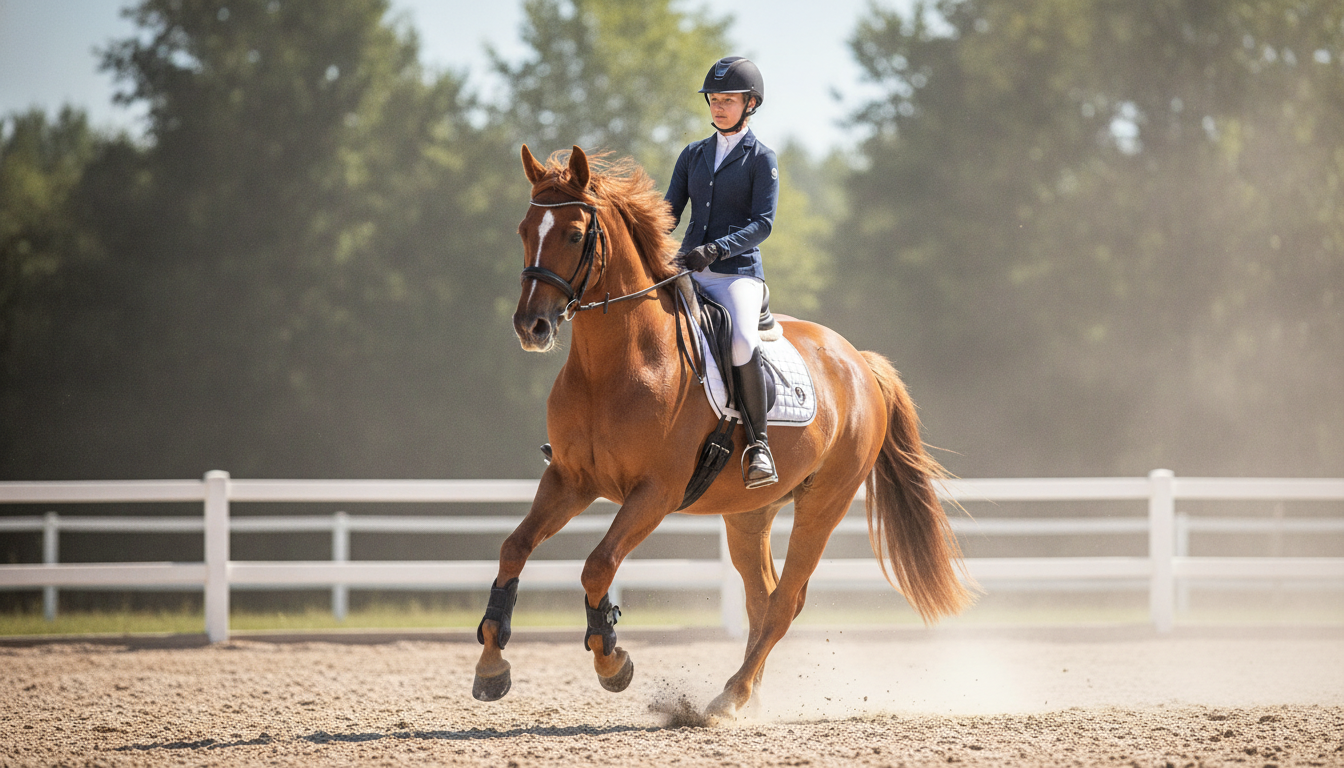
The practical suitability test decides between buying and passing. Structured tests reveal the true temperament better than superficial impressions. Plan at least three trial sessions at different times of day – temperament varies with the horse's form on the day and the surroundings.
Seven Concrete Situation Tests for a Recreational Horse's Suitability
Carry out these tests systematically:
- Traffic simulation: ride past a busy road and watch the reaction to trucks and motorcycles
- Unfamiliar objects: confront the horse with umbrellas, tarps or unusual objects along the trail
- Group dynamics: ride in a group and test whether the horse will also lead alone or hang back
- Wildlife reaction: provoke situations with wild animals or loose dogs (controlled and safe)
- Ground conditions: switch between asphalt, gravel, mud and water – nervous horses show problems here
- Tack test: try different bridles and watch for acceptance – more in our article on choosing a bridle and fitting the bit
- Behavior during breaks: a good pleasure horse relaxes during breaks instead of staying tense
Reading Body Language Correctly
Steady nerves show in subtle signals. A calm horse for relaxed trail rides keeps a loose tail carriage and attentive but not wide eyes even in new situations. The ears move back and forth with interest, but not frantically. Breathing and pulse stay even – ask the seller to show you a heart rate monitor and record the values before, during and after the ride.
Warning signs of an unsuitable temperament: constant tail swishing, persistent snorting, refusing to move forward or excessive dancing in place. These behaviors point to chronic stress that can rarely be corrected completely.
Pleasure Horse With a Balanced Nature: Consider Age and Level of Training
The ideal age for a pleasure horse is between 7 and 14 years. In this phase of life, horses combine physical fitness with mental maturity. Young horses under 6 often still show spirited reactions that only decrease with experience. A 2020 long-term study by the University of Göttingen shows that horses reach emotional stability at 7.2 years on average (source: https://www.uni-goettingen.de/de/forschung+pferdeverhalten/625841.html).
Level of Training Shapes How Temperament Shows
Well-trained horses react more calmly to environmental stimuli. Training shapes neural connections that dampen stress responses. A pleasure horse should have completed at least the following training steps: getting used to traffic, cross-country riding in varied terrain, encountering wild animals and experience in different riding groups.
Ask specifically about the training history: where was the horse trained, and which situations does it already know? Reputable sellers document the training path with videos or training diaries. Horses without a traceable history carry a higher risk of temperament surprises.
Which Personality Traits Matter in a Pleasure Horse for Different Types of Riders?
Not every temperament suits every rider. A recreational horse's suitability varies with your skills and goals. Honest self-assessment prevents bad purchases and later disappointment.
Beginners: Maximum Calmness Over Performance
Beginner riders benefit from extremely patient horses that forgive mistakes. Older schoolmasters aged 12 and up with proven suitability for beginners offer optimal safety. These horses have experienced hundreds of insecure riders and developed tolerance for unclear aids. Look specifically for retired lesson horses or ponies with documented beginner work.
Typical beginner-horse qualities: low flight reflex, high frustration tolerance, thinking independently when aids are unsure and automatic speed regulation. A good beginner horse stays at the walk when the rider doesn't actively want to go faster.
Advanced Riders: Balance Between Calmness and Motivation
Advanced riders can handle more temperament and benefit from motivated horses with "go." These horses show enjoyment on trail rides and offer more dynamics than pure schoolmasters. Even so, basic calmness must be there – motivation without steady nerves leads to uncontrollable situations.
Warmbloods from pleasure lines or sport-oriented Haflingers meet these requirements ideally. They offer enough spirit for varied rides but remain controllable. The right grain dosage based on energy needs also helps manage temperament.
Seniors and Riders With Health Limitations
For older or physically limited riders, absolute reliability counts. Sturdy breeds with a low flight tendency, such as the Norwegian Fjord horse or strong cobs, offer additional safety. These horses forgive balance problems and don't panic at unintended leg aids.
Especially important: a lower height makes mounting and dismounting easier. Horses up to 14.3 hands (150 cm) with a broad back combine comfort with safety. Their calmness also allows for the rider's slower reaction times.
Medical and Behavioral Factors in a Recreational Horse's Suitability
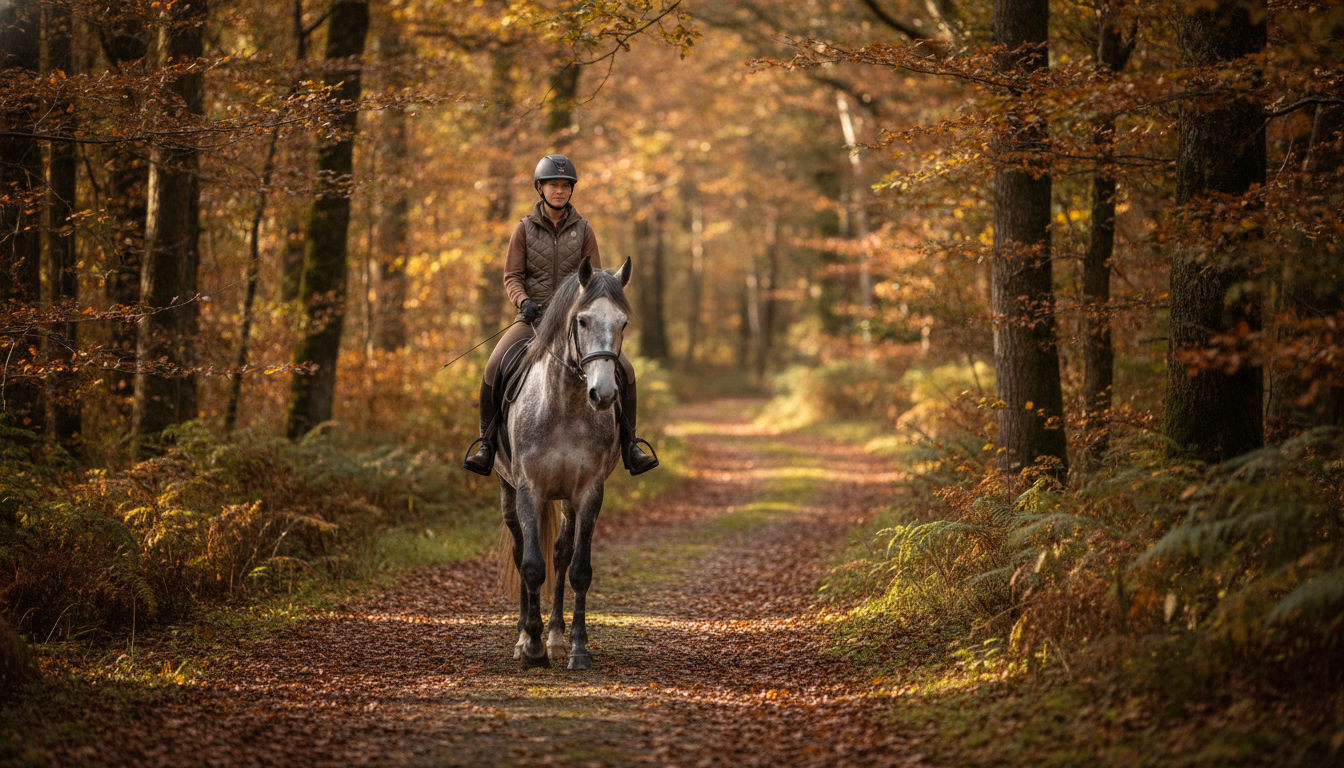
Temperament has physiological foundations. Hormones, metabolism and neurological factors measurably influence behavior. Modern diagnostics make temperament forecasts possible before the purchase.
Checking Thyroid Values and Stress Hormone Levels
An overactive thyroid leads to nervousness and skittishness. A simple blood test when buying a horse uncovers such problems. Explicitly request T3 and T4 values as well as cortisol measurements. Elevated stress hormones point to chronic tension that can rarely be fully resolved.
The University of Veterinary Medicine Hannover in Germany has recommended standard behavioral endocrinology for pleasure horses since 2019. Studies show that horses with a balanced hormone system have a 73 percent higher probability of a stable temperament (source: https://www.tiho-hannover.de/studium-lehre/studiengaenge/pferdewissenschaften).
Recognizing and Assessing Past Trauma
Traumatized horses develop specific behavior patterns that limit suitability for recreation. Common signs: extreme head-shyness, panic in tight spots or groundless refusal of certain situations. Ask in detail about the history and watch whether particular triggers cause consistent defensive reactions.
Professional behavior therapy can soften some trauma, but complete healing takes years. For pleasure riders without therapeutic ambitions, horses with no baggage and a positive history are recommended.
Frequently Asked Questions About Recreational Horse Suitability and Temperament
Can you change a horse's temperament through training?
Basic temperament is genetically anchored and can only be modified to a limited extent. Good training improves stress tolerance by about 30 percent, but doesn't turn a nervous horse into a phlegmatic one. Realistically speaking: choose a horse whose basic temperament already fits instead of hoping for massive changes. Professional desensitization helps with specific fears but doesn't change the overall personality.
What temperament does a good pleasure horse need for family trail rides?
Family trail rides require maximum reliability and group compatibility. The horse must cope with different rider weights and abilities. Ideal are middle-aged horses from 10 years up with proven experience in mixed groups. They should be able to lead and follow without becoming dominant or insecure. Breeds like the Haflinger, Quarter Horse or pleasure-line warmbloods are particularly suitable.
How do I most effectively test a calm horse for relaxed trail rides?
Plan at least three trial sessions: one in the morning, one in the afternoon and one on a busy day with lots of commotion. Ride at least 90 minutes each time, 60 of them out on the trail. Work in the seven situation tests and record the reactions with your smartphone. Compare the behavior across all sessions – consistent calmness matters more than a single perfect trial.
Are mares or geldings better suited as pleasure horses?
Statistically, geldings show a more balanced temperament than mares, but individual differences outweigh this. Mares go through hormonal cycles that make some animals temporarily restless. About 30 percent of mares show increased distractibility while in heat. Geldings offer more consistent behavior over the year, but there are spirited exceptions here too. Evaluate each horse individually instead of selecting by sex across the board.
At what age does a horse's temperament stabilize?
Personality solidifies between ages 6 and 8. Until then, horses go through developmental temperament swings. From age 8 on, you can infer future behavior from observed behavior with relative confidence. Young horses under 6 carry a higher risk of unexpected temperament changes. Safety-minded pleasure riders are therefore advised to choose horses from age 7 with documented behavioral consistency over at least two years.
Conclusion: The Right Recreational Horse Suitability Starts With an Honest Needs Analysis
A recreational horse's suitability is decided by temperament – not by looks or breed alone. A calm horse with a steady character turns every ride into a pleasure, while an unsuitable temperament can make even beautiful horses a burden. Invest enough time in trial sessions, run structured tests and don't hesitate to get professional assessments.
Remember: the perfect pleasure horse doesn't have maximum performance but optimal reliability for your individual needs. Consider age, training, medical parameters and above all the documented behavior history. A horse that has shown consistent calmness over the years will probably keep it up.
Start your search for the ideal partner now: define your requirements precisely, use reputable platforms and take your time with the decision. A well-chosen pleasure horse with the right temperament enriches your life for many years – an investment that pays off in safety, joy and unforgettable experiences. Start your search for your dream horse today and soon enjoy relaxed trail rides with a partner who suits you perfectly!